

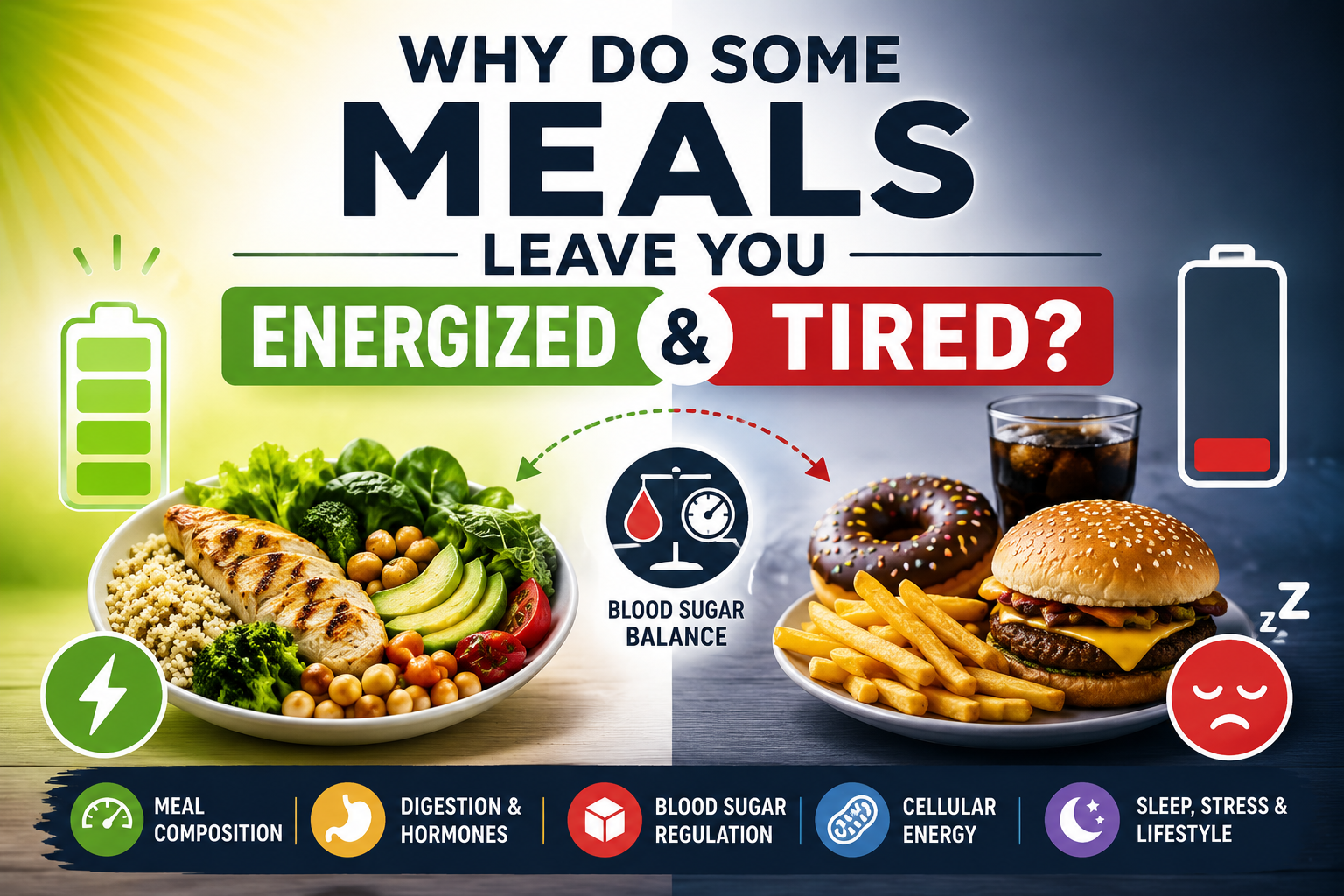
Have you ever eaten a meal and felt focused and energized afterward, only to feel sleepy, heavy, or drained after another meal?
Food provides the raw materials your body needs for energy, but what you eat, how much you eat, and how your body responds to that meal can influence how you feel afterward.
Post-meal tiredness can be influenced by meal composition, blood glucose regulation, digestion, sleep, activity levels, and individual metabolic health. Research has also found that meal composition can affect subjective feelings of fatigue in the hours after eating.
Key Takeaways
- Different meals can produce very different energy responses.
- Large or carbohydrate-heavy meals may make some people feel tired afterward.
- Blood glucose regulation can influence energy and concentration.
- Digestion itself requires energy and can contribute to post-meal changes in how you feel.
- Repeated energy crashes after meals may be worth discussing with a qualified healthcare professional.
Why Do You Feel Tired After Eating?
Feeling somewhat relaxed after a meal is common. However, regularly feeling exhausted, foggy, or unable to concentrate after eating may deserve more attention.
One reason is that your body has to process the nutrients from your meal. Carbohydrates are broken down into glucose, while proteins and fats follow different metabolic pathways.
Your body then coordinates hormones, digestion, circulation, and energy metabolism to process those nutrients.
The response can vary considerably from person to person.
How Meal Composition Can Affect Energy
A meal containing carbohydrates, protein, fat, and fiber may produce a different response than a meal dominated by refined carbohydrates.
For example, meals built primarily around refined carbohydrates may be digested relatively quickly. Depending on the individual and the meal, this can produce a noticeable rise in blood glucose followed by changes in energy and hunger.
Protein, healthy fats, and fiber can change how quickly a meal is digested and absorbed.
This does not mean carbohydrates are inherently bad. Your body needs glucose as an important fuel source. The bigger question is how the overall meal fits your individual nutritional and metabolic needs.
Why Blood Sugar Matters
Your body works continuously to keep blood glucose within an appropriate range.
After eating carbohydrates, blood glucose rises and insulin helps move glucose from the bloodstream into cells where it can be used or stored.
If you frequently experience symptoms such as:
- Sleepiness after meals
- Afternoon energy crashes
- Strong cravings
- Shakiness or weakness between meals
- Difficulty concentrating
- Feeling hungry again shortly after eating
it may be useful to discuss your symptoms and metabolic health with a healthcare professional.
These symptoms are not proof of insulin resistance or another metabolic condition. They can have many possible explanations.
Your Energy Response Is More Than Just Food
The same meal can affect two people differently.
Your response may also be influenced by:
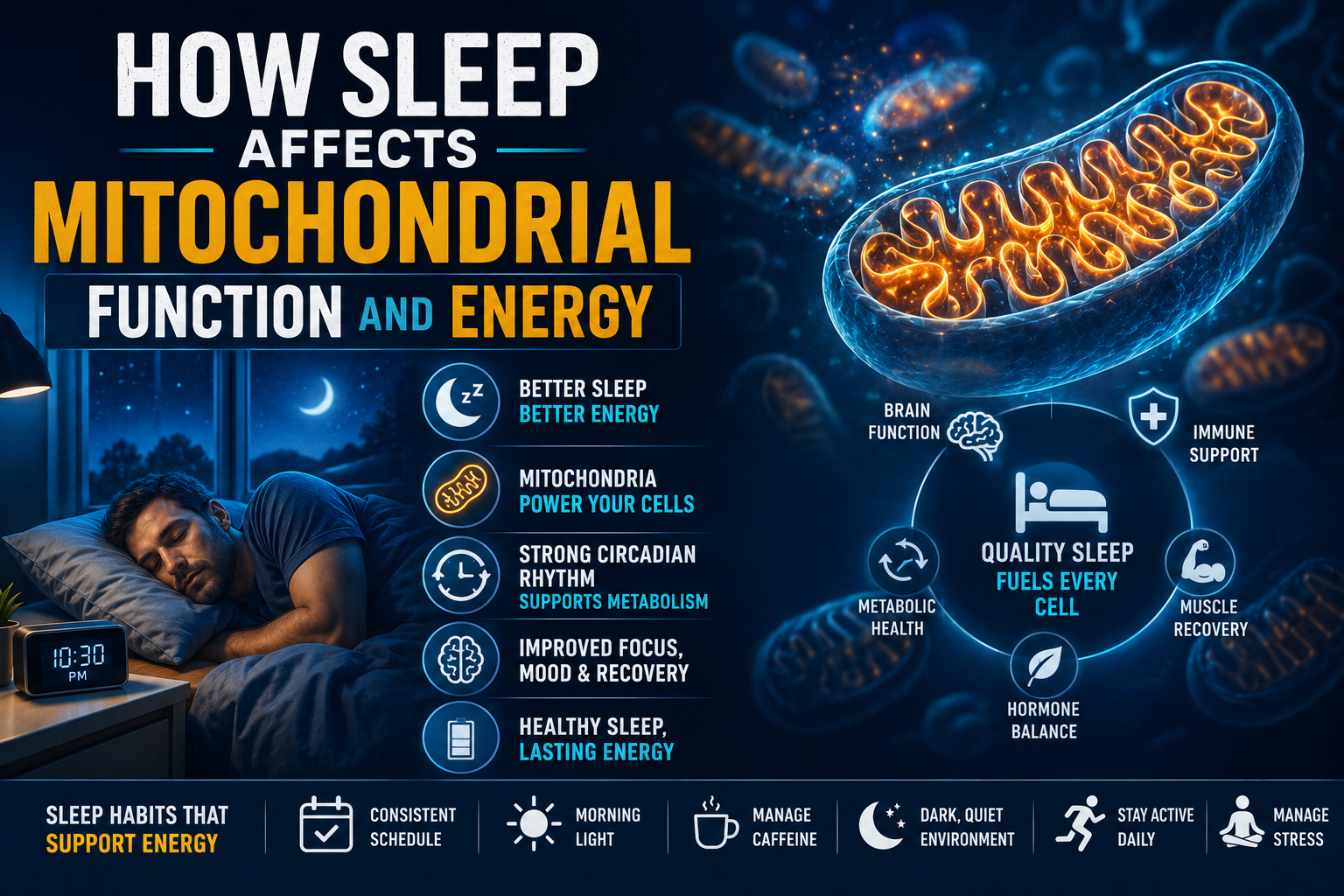
- Sleep quality
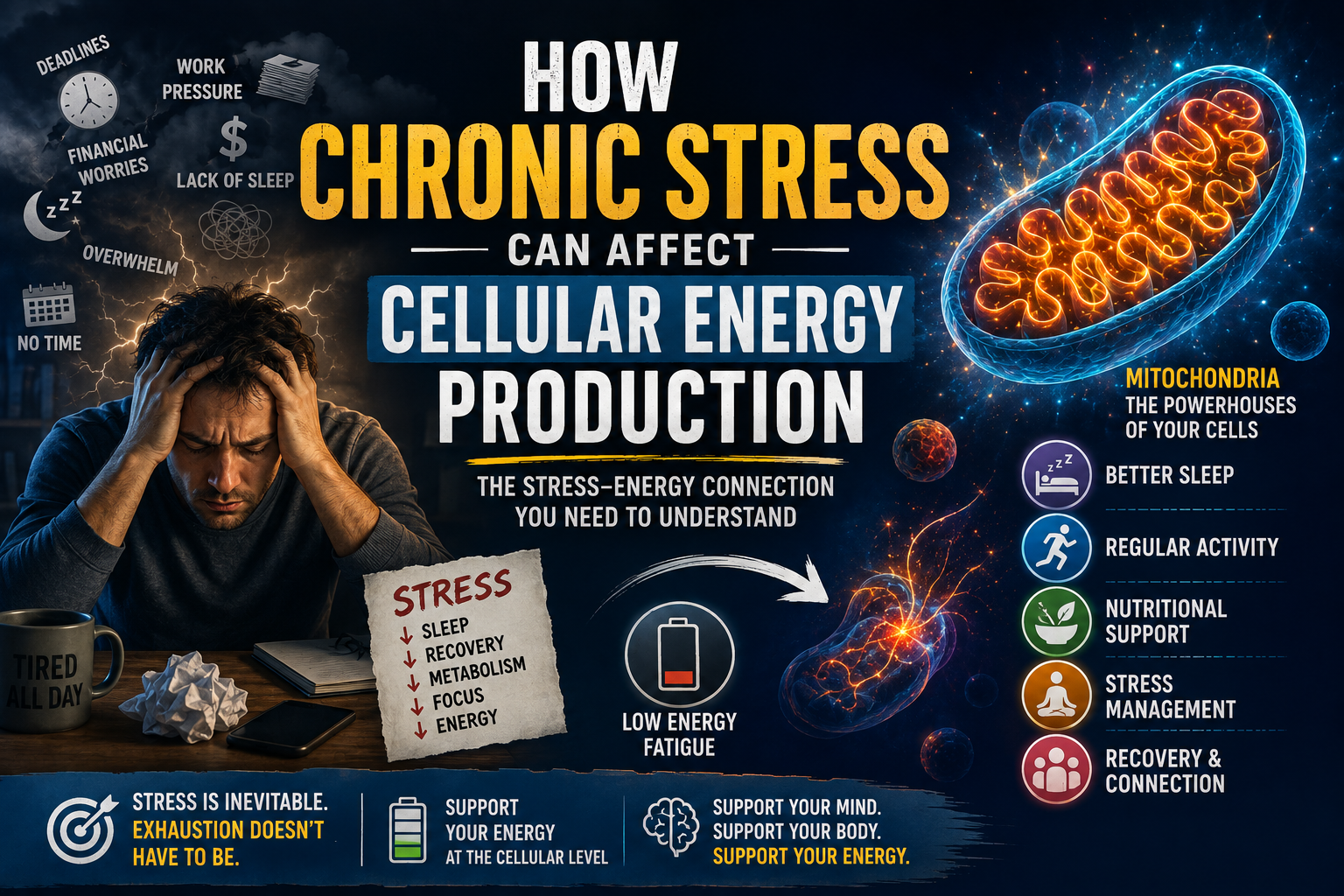
- Stress
- Physical activity
- Meal size
- Hydration
- Overall diet
- Timing of the meal
- Individual metabolic health
- Existing health conditions
That is why simply labeling a food as “good” or “bad” often misses the bigger picture.
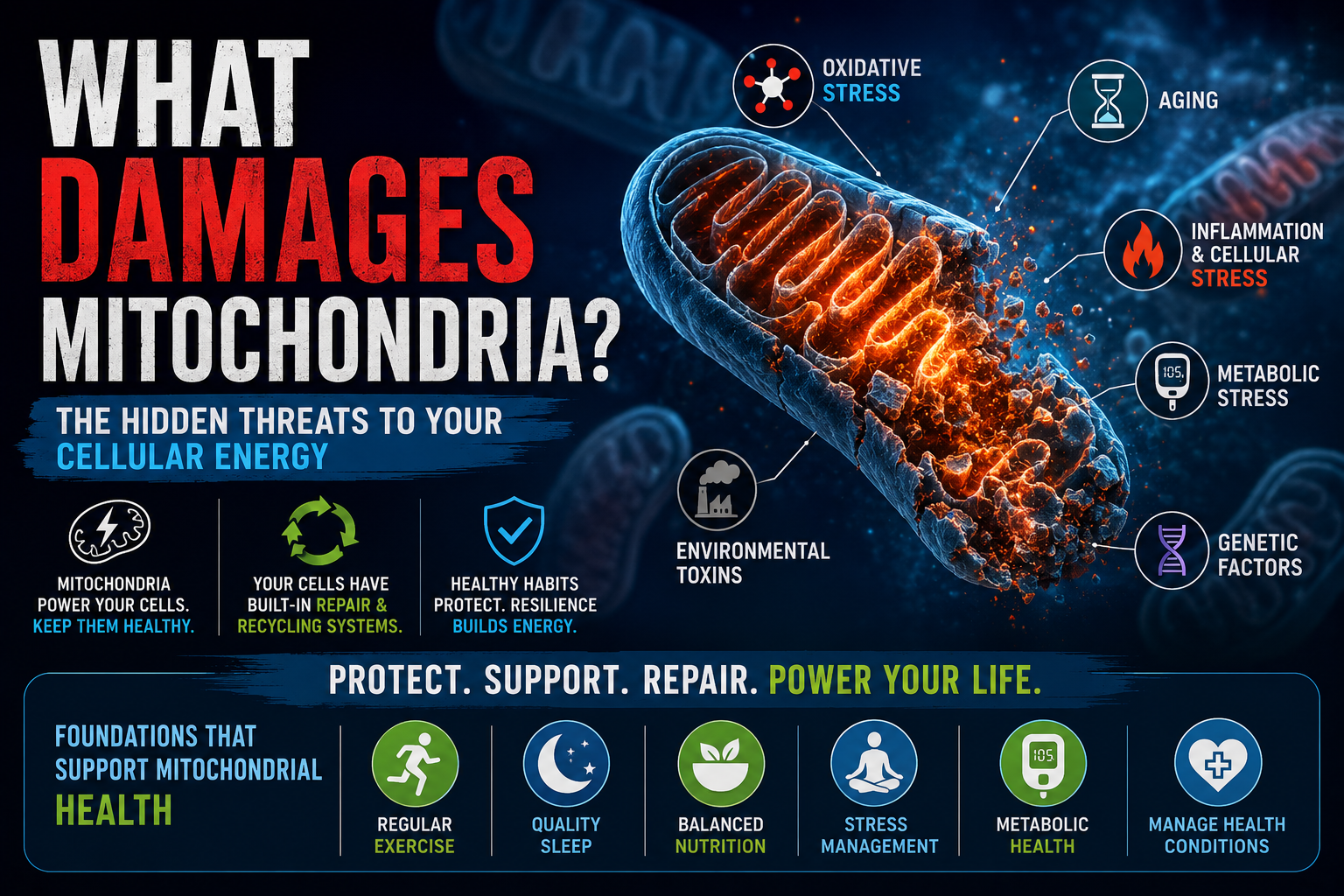
Where Mitochondria Fit In
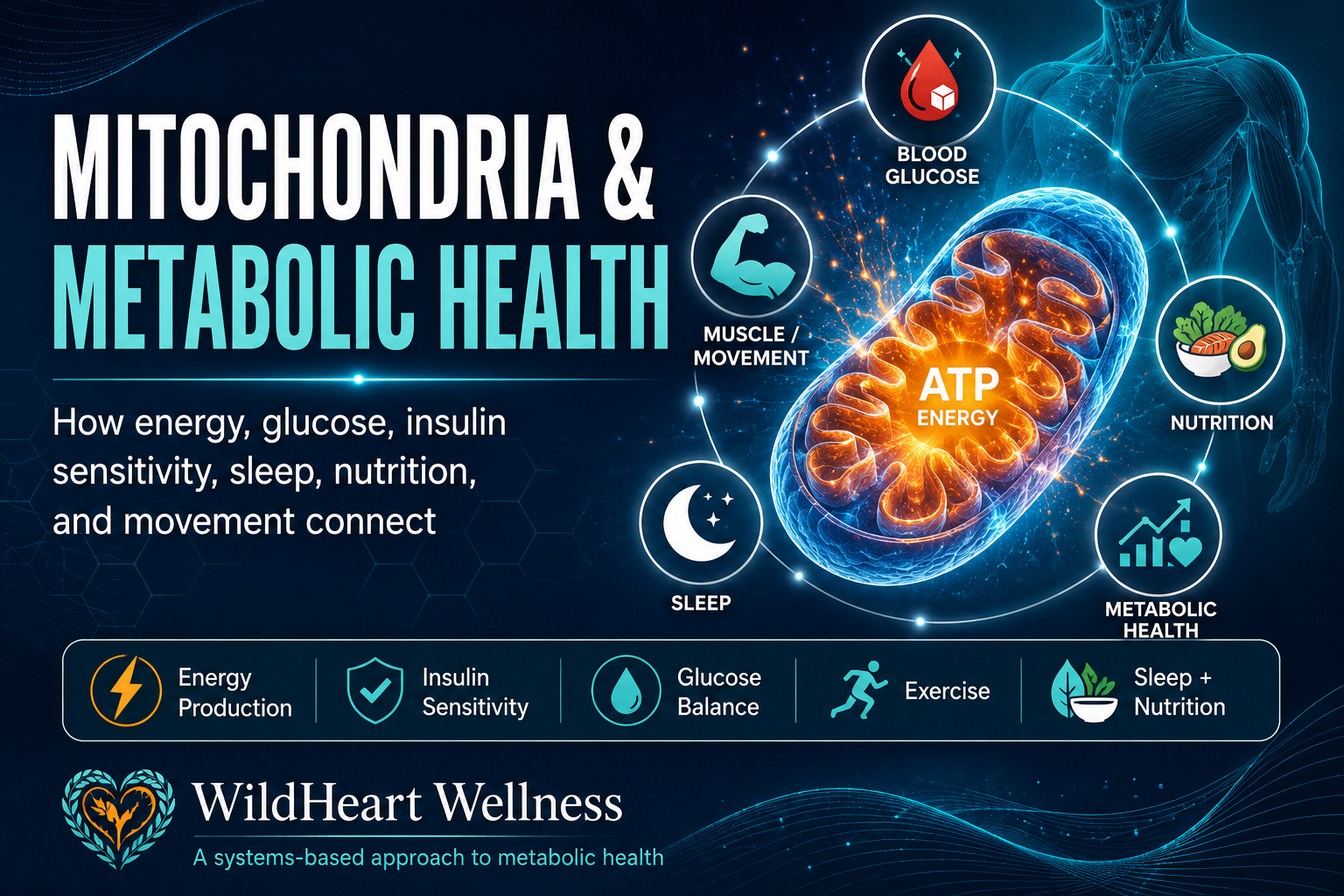
Your cells need usable energy to perform their work. Mitochondria play a central role in producing ATP, the main energy currency used by cells.
Mitochondrial function is closely connected with how the body handles fuels such as carbohydrates and fats. Research has investigated relationships between mitochondrial function, insulin sensitivity, and metabolic health, although the cause-and-effect relationship is complex.
This is one reason energy should not always be viewed simply as a question of calories.
Your body has to process, regulate, and use those nutrients.
What Can You Do If Meals Consistently Make You Tired?
Start by paying attention to patterns rather than eliminating foods randomly.
Keep track of:
- What you ate
- Portion size
- Time of day
- How you slept
- Your stress level
- How you felt 1–4 hours after eating
- Your hunger and cravings later in the day
You may begin to notice that certain meal patterns consistently leave you feeling better or worse.
If the pattern is persistent, a qualified healthcare professional can help determine whether further evaluation is appropriate.
The Bigger Picture
Your energy throughout the day is influenced by many interconnected systems.
Nutrition is one part of that picture. Sleep, stress, movement, metabolic health, and cellular energy production also matter.
At WildHeart Wellness, functional wellness focuses on looking at these systems together rather than viewing an individual symptom in isolation.
Frequently Asked Questions
Why do I feel sleepy after eating?
Post-meal sleepiness can have several possible causes, including meal size, meal composition, blood glucose changes, sleep deprivation, and normal post-meal physiology.
Why do carbohydrates make me tired?
Carbohydrates do not automatically cause fatigue. However, some people may notice changes in energy after carbohydrate-heavy meals, particularly meals high in refined carbohydrates.
Is feeling tired after eating a sign of diabetes?
Not necessarily. Post-meal tiredness is nonspecific and can have many causes. Persistent symptoms should be discussed with a healthcare professional.
Can food affect mitochondrial function?
Nutrition provides the substrates and nutrients required for cellular metabolism. Mitochondrial function is influenced by multiple factors, including nutrition, exercise, aging, and metabolic conditions.
When should I investigate frequent energy crashes?
If fatigue or energy crashes are frequent, severe, worsening, or interfering with daily life, consider discussing them with a qualified healthcare professional.