

Mitochondria are constantly working to produce energy for your cells. Because they are involved in energy metabolism, they are also exposed to metabolic stress and reactive molecules generated during normal cellular activity.
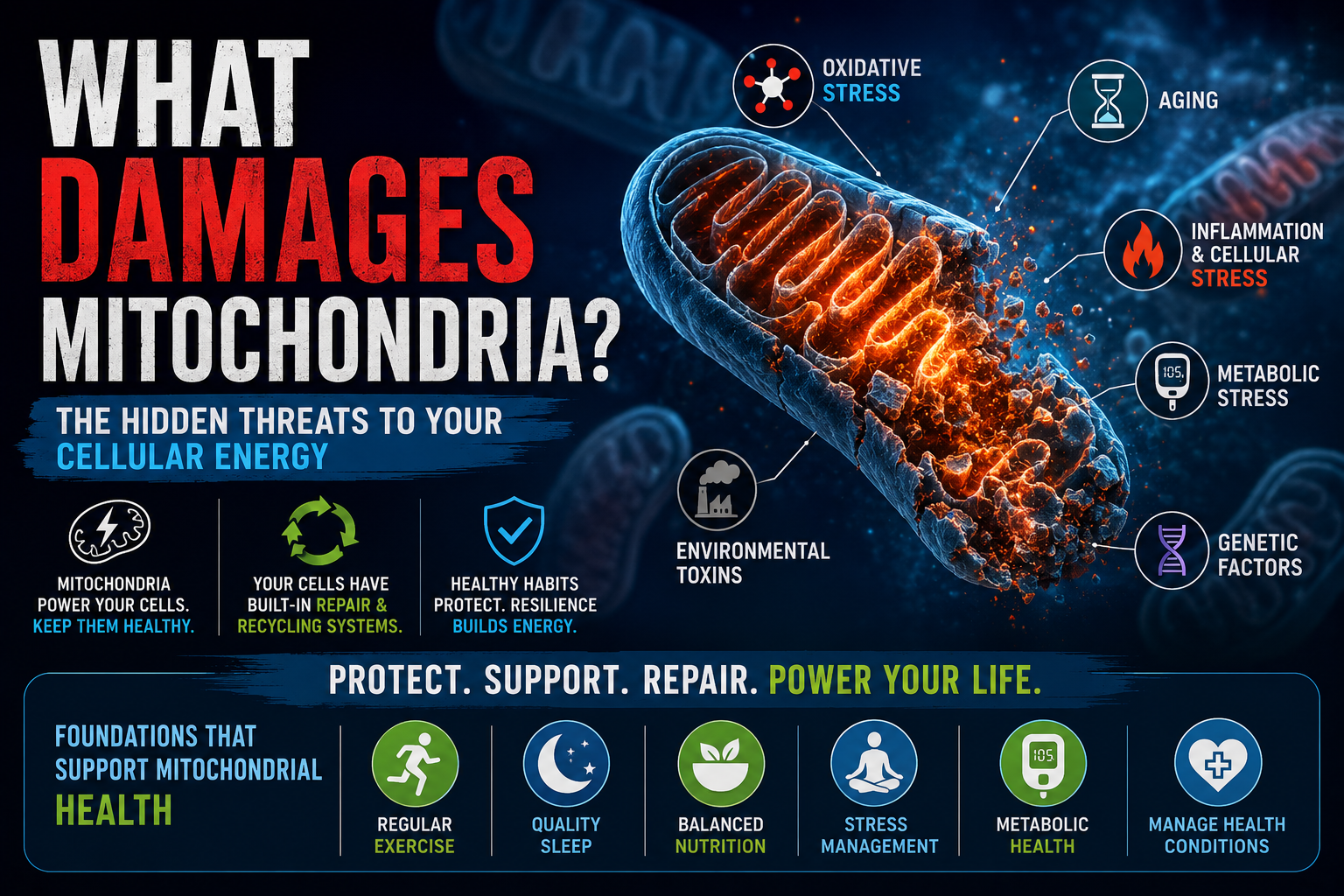
Over time, mitochondrial components can be damaged by oxidative stress, inflammation, aging, genetic factors, environmental exposures, and other forms of cellular stress.
The important point is that mitochondrial damage is not caused by one single factor.
Key Takeaways
- Mitochondria naturally produce reactive oxygen species as part of energy metabolism.
- Excessive oxidative stress can damage mitochondrial components.
- Aging can affect mitochondrial quality and function.
- Metabolic disease and chronic cellular stress can influence mitochondrial health.
- Mitochondria have repair, recycling, and quality-control systems that help manage damage.
What Can Damage Mitochondria?
1. Oxidative stress
Mitochondria naturally generate reactive oxygen species during energy production.
These molecules are not automatically harmful. At appropriate levels, reactive oxygen species participate in normal cellular signaling.
Problems can arise when oxidative stress becomes excessive or antioxidant and repair systems cannot adequately manage it.
Research has linked oxidative stress with damage to mitochondrial DNA, proteins, and membranes.
2. Aging
Mitochondrial function changes as we age.
Research has associated aging with changes in mitochondrial energy production, quality control, oxidative stress, and mitochondrial DNA.
However, aging is not simply the result of “damaged mitochondria.” Aging involves numerous interconnected biological processes.
3. Metabolic stress
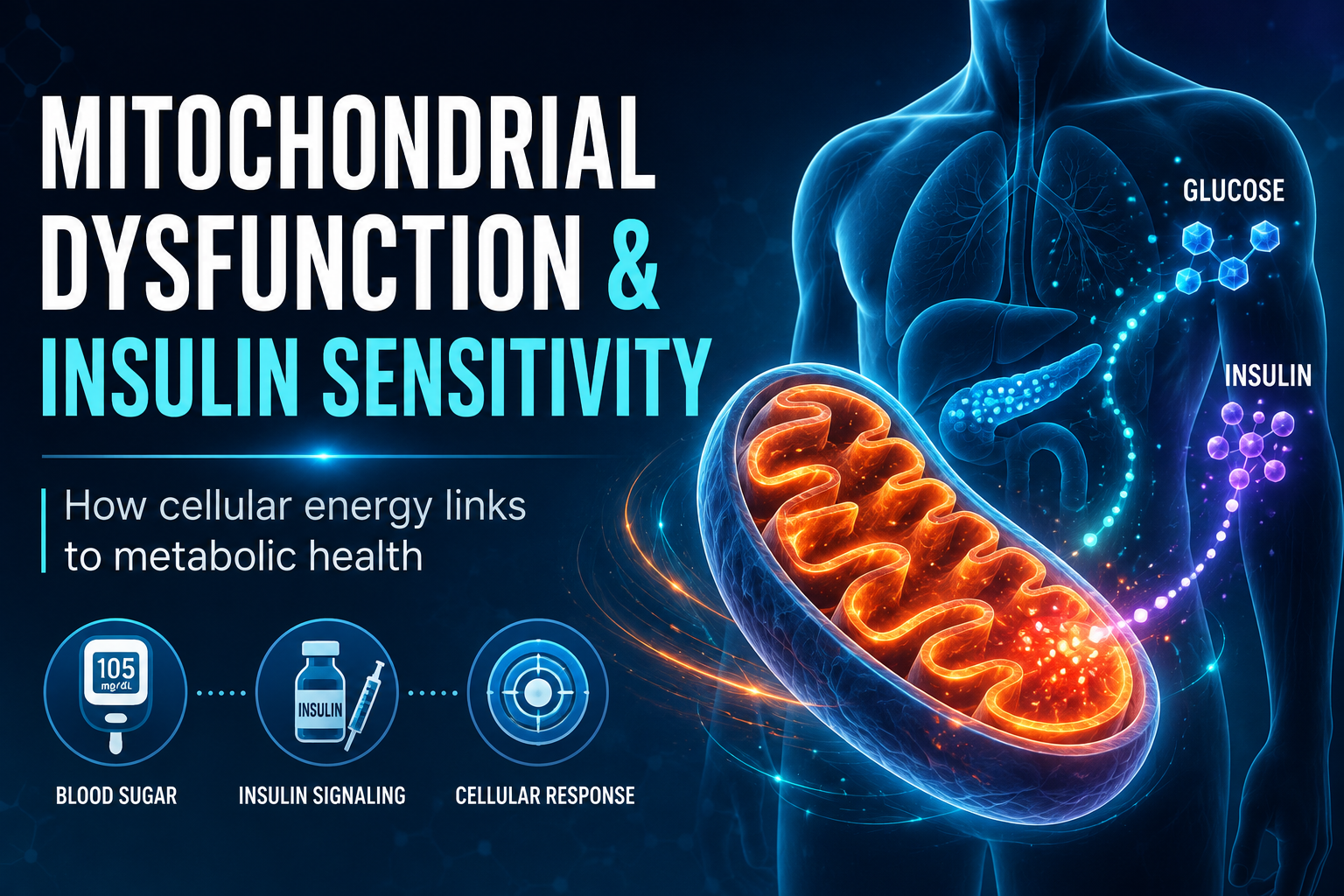
Conditions involving impaired glucose regulation, excess lipid accumulation, and insulin resistance have been associated with changes in mitochondrial function.
The relationship is complex and may work in both directions.
Metabolic dysfunction can affect mitochondrial biology, while mitochondrial changes may also influence metabolic pathways.
4. Inflammation and cellular stress
Chronic inflammatory and metabolic stress can alter cellular function.
Because mitochondria interact with immune signaling and cellular stress pathways, prolonged physiological stress may affect mitochondrial biology.
5. Genetic factors
Mitochondrial function is influenced by both nuclear DNA and mitochondrial DNA.
Some inherited mitochondrial disorders directly affect energy production.
These conditions are different from the much broader and less specific idea of “poor mitochondrial health” sometimes used in wellness discussions.
Your Mitochondria Have Quality-Control Systems
Your mitochondria are not passive structures that simply accumulate damage.
Cells have systems that help maintain mitochondrial quality.
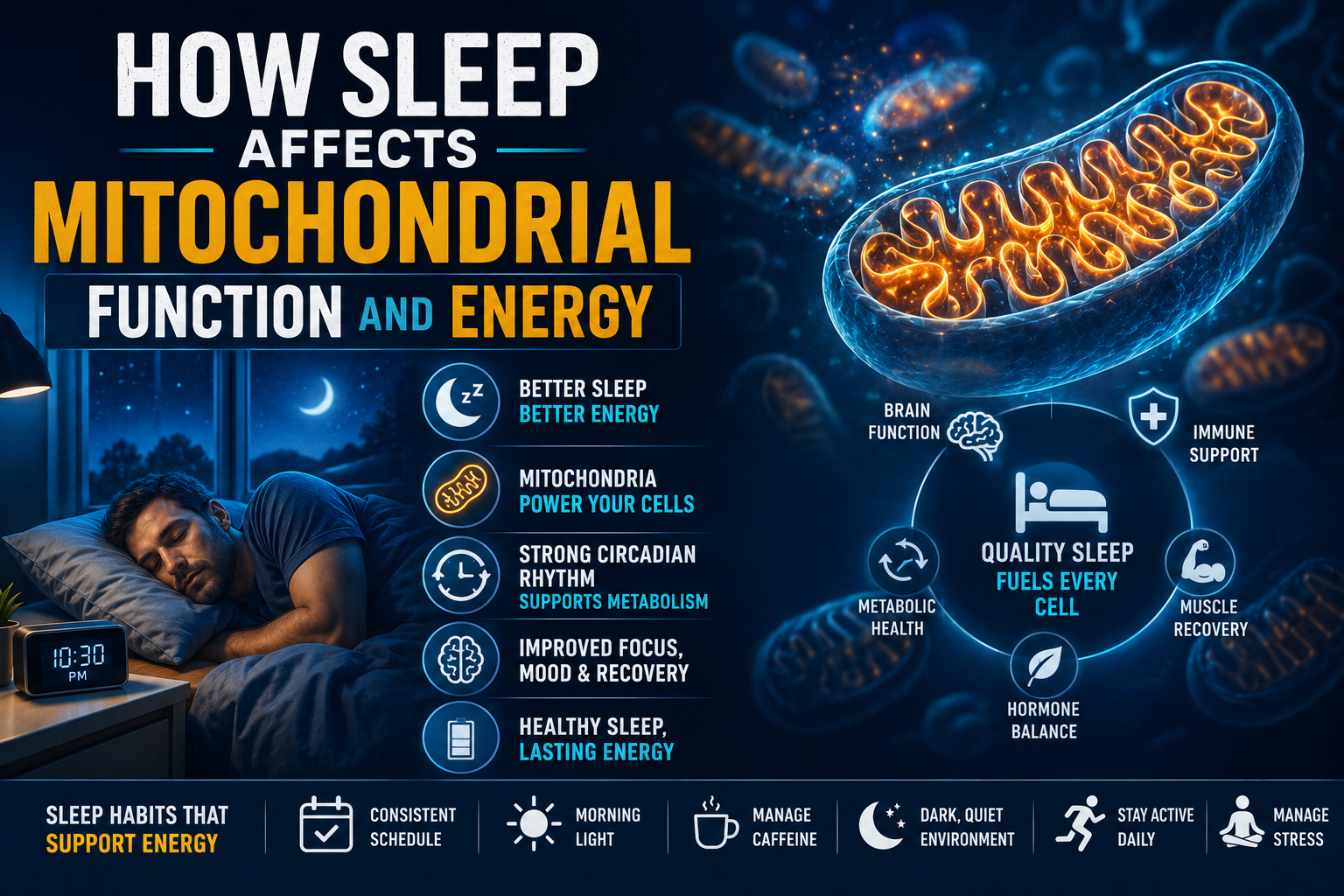
Damaged mitochondria can undergo a process called mitophagy, where they are selectively removed and recycled.
Mitochondria can also change their shape, number, and activity depending on cellular demands.
This adaptability is one reason lifestyle and environmental factors can influence mitochondrial biology.
Can You Protect Your Mitochondria?
There is no single food or supplement that can guarantee healthy mitochondria.
Instead, focus on the foundations of overall health:
- Regular physical activity
- Adequate sleep
- Balanced nutrition
- Healthy metabolic function
- Stress management
- Avoiding tobacco exposure
- Appropriate management of medical conditions
Exercise is especially relevant because it creates signals that encourage mitochondrial adaptation.
Don’t Confuse Oxidative Stress With “All Oxidation Is Bad”
This distinction matters.
Reactive oxygen species are part of normal physiology.
Your body uses them in cellular signaling, immune defense, and adaptation to exercise.
The goal is not to eliminate every reactive molecule.
The goal is maintaining appropriate balance between production, signaling, damage, and repair.
When Mitochondrial Health Becomes Relevant
Mitochondrial biology can be especially interesting when discussing:
- Energy metabolism
- Exercise adaptation
- Aging
- Metabolic health
- Muscle function
- Certain inherited diseases
But symptoms such as fatigue alone do not establish mitochondrial dysfunction.
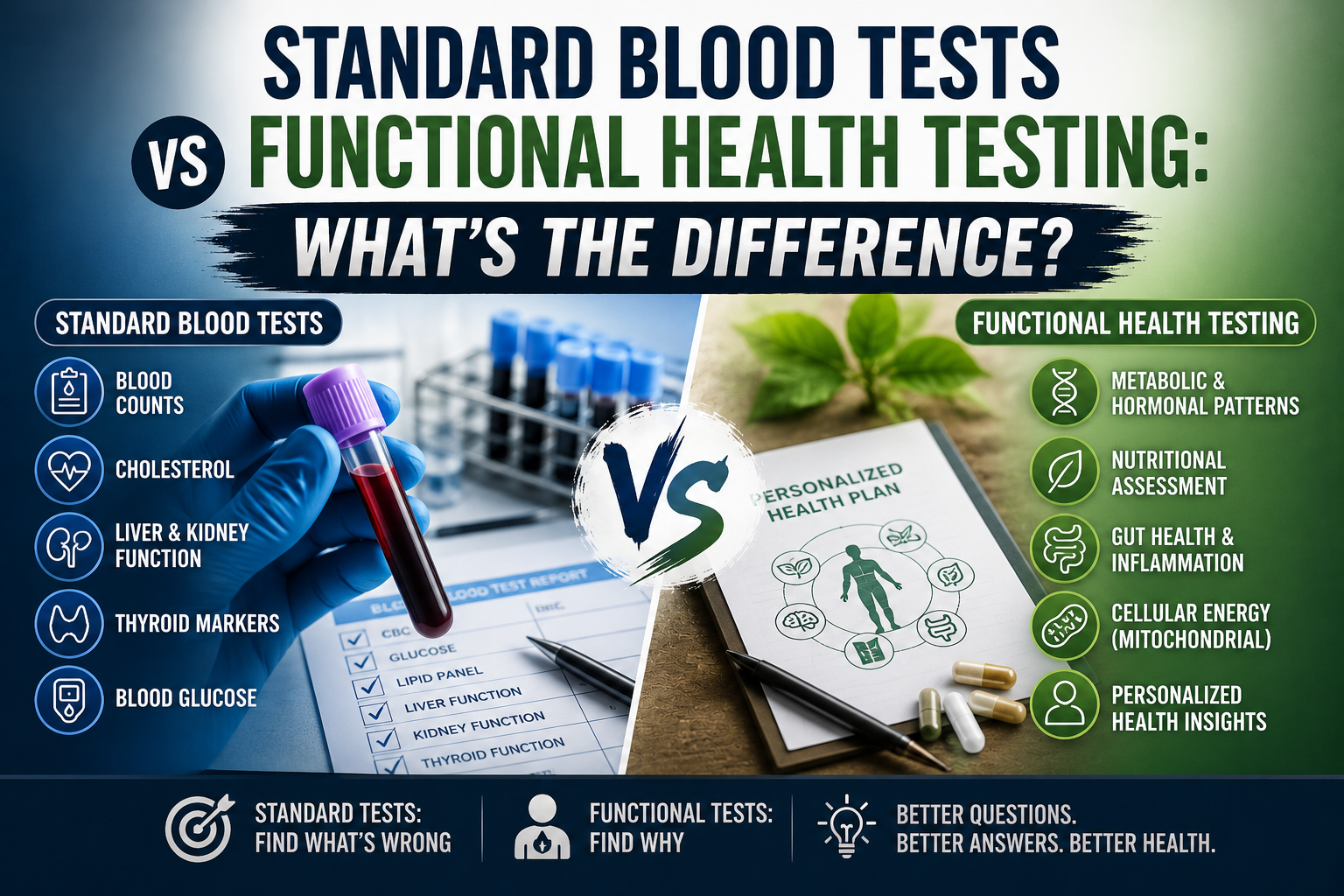
A thoughtful health evaluation should consider the full clinical picture.
Frequently Asked Questions
What is the biggest cause of mitochondrial damage?
There is no single biggest cause. Mitochondrial stress can involve oxidative stress, aging, metabolic dysfunction, genetic factors, environmental exposures, and other cellular conditions.
Does stress damage mitochondria?
Chronic physiological stress can influence metabolic and cellular pathways that interact with mitochondrial function, but this does not mean ordinary psychological stress directly “destroys” mitochondria.
Can exercise damage mitochondria?
Exercise temporarily increases metabolic and oxidative stress, but this is also part of the signal that can stimulate beneficial mitochondrial adaptations.
Can damaged mitochondria repair themselves?
Cells have several mitochondrial quality-control processes, including repair, remodeling, and removal of damaged mitochondria.
Can you improve mitochondrial health naturally?
Healthy lifestyle habits, particularly regular physical activity, adequate sleep, balanced nutrition, and metabolic health, support normal mitochondrial adaptation and function.