

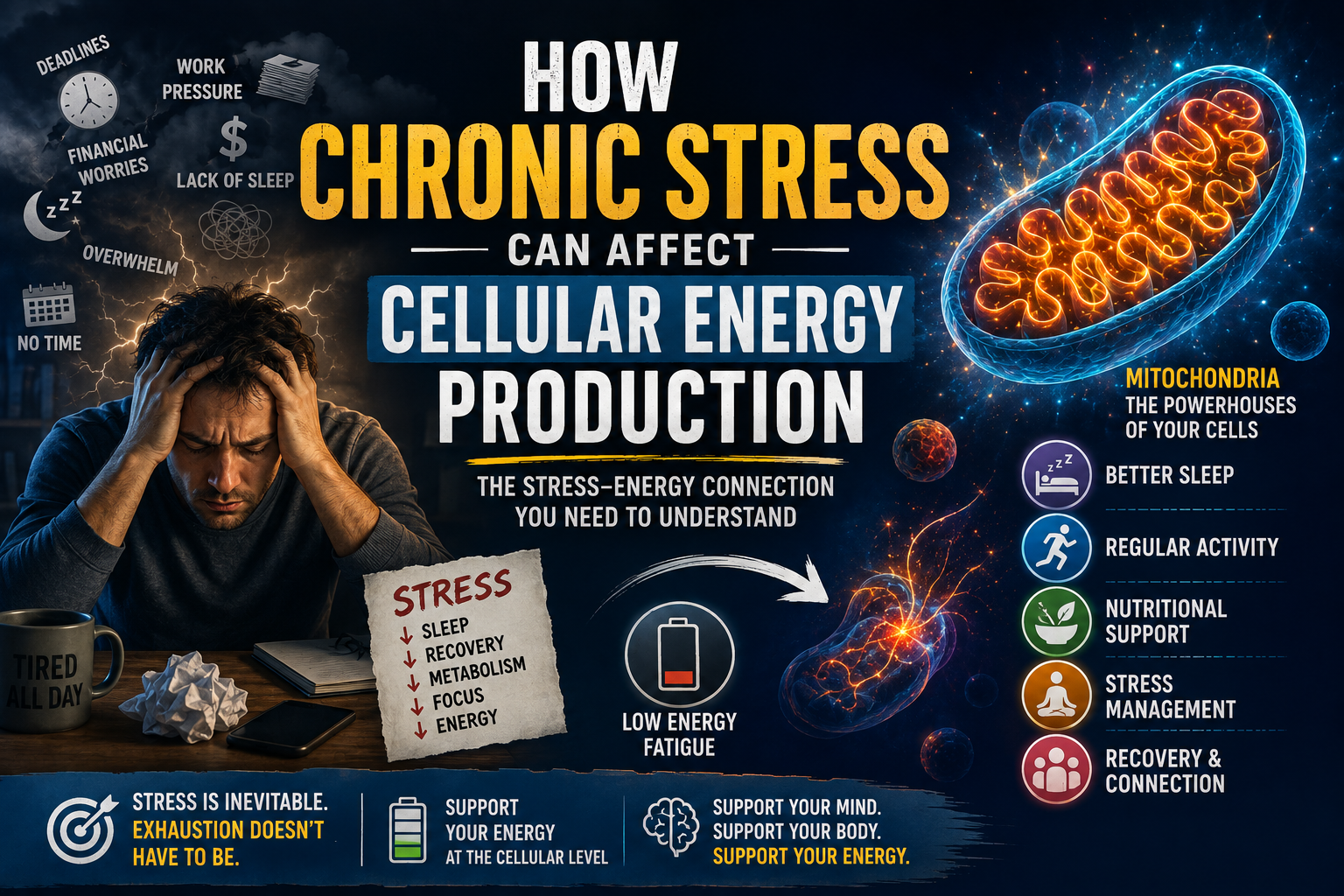
Stress is part of everyday life. Short-term stress can help you respond to challenges, but ongoing stress can place continuous demands on the body.
Over time, chronic stress may influence sleep, metabolism, appetite, recovery, and energy.
Because cells require a constant supply of energy to function, researchers have also studied connections between stress-related processes and mitochondrial function.
Key Takeaways
- Chronic stress can affect several systems involved in energy and recovery.
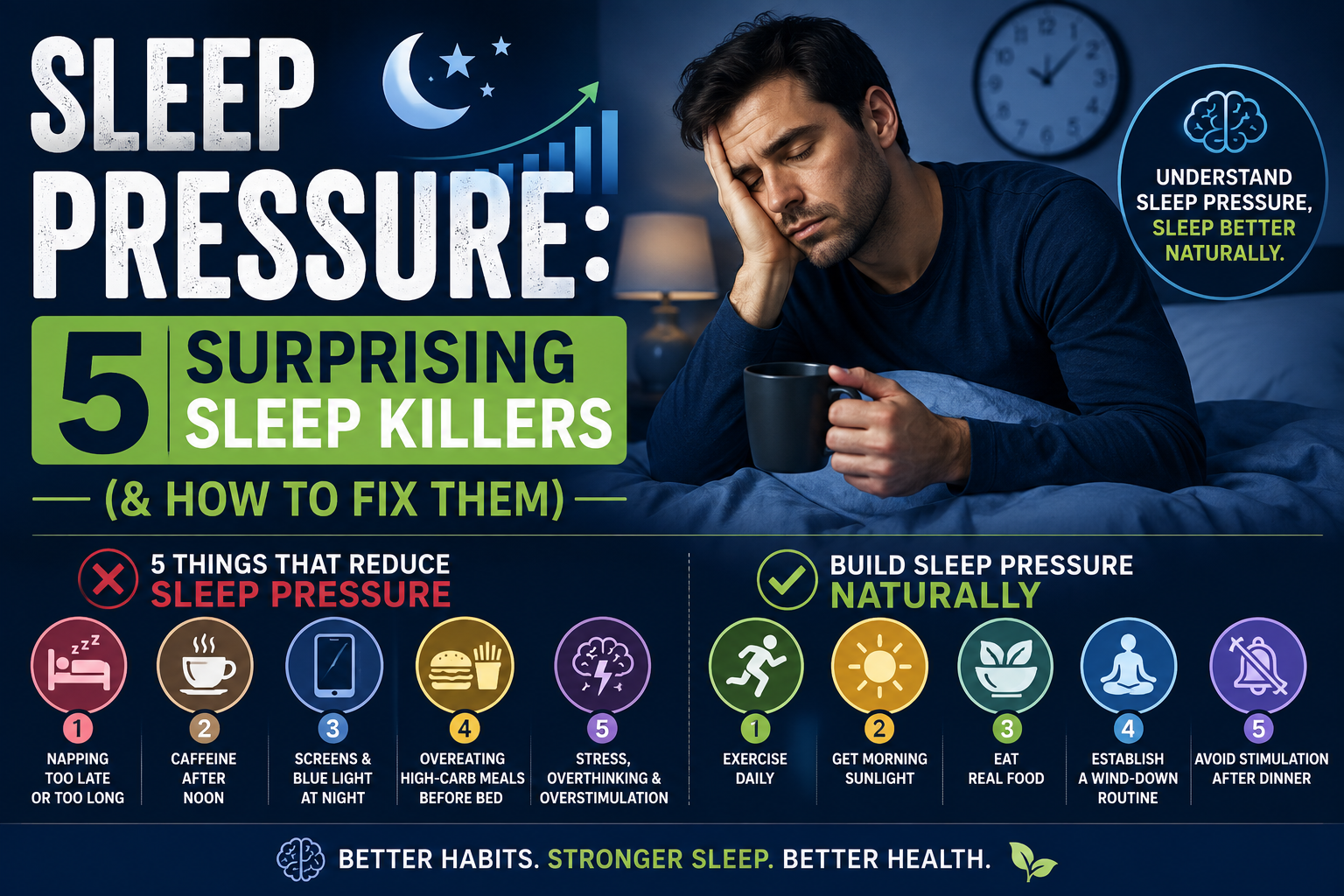
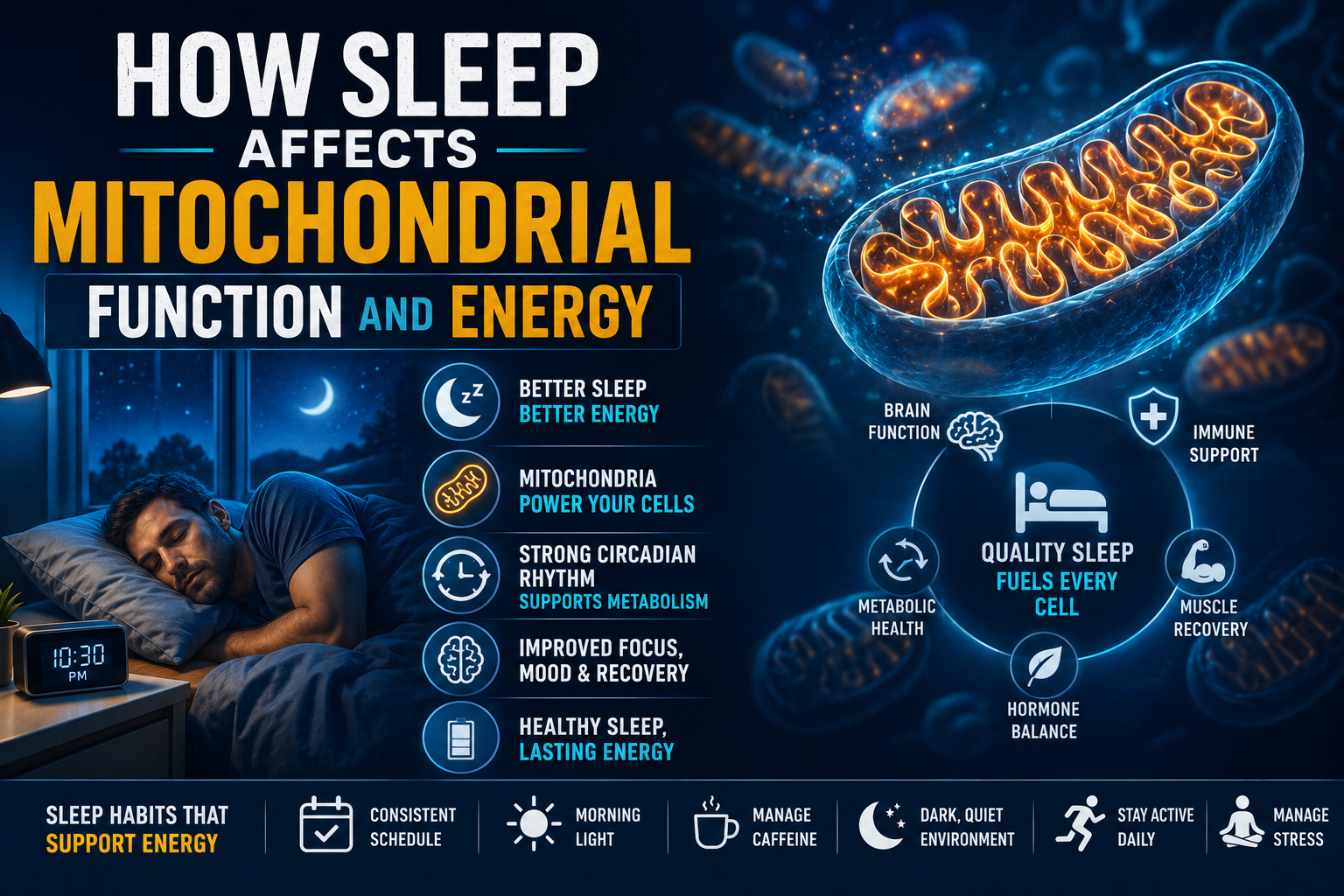
- Stress may interfere with sleep, which can contribute to daytime fatigue.
- Mitochondria are central to cellular energy production.
- Stress-related biological changes may influence mitochondrial processes, but the relationship is complex.
- Managing chronic stress is part of supporting overall health rather than simply reducing feelings of anxiety.
What Happens to Your Body During Stress?
When you experience stress, your body activates systems designed to help you respond to a challenge.
Hormonal and nervous system responses can increase alertness and prepare the body to act.
This response is useful when temporary.
The problem is that modern stress can sometimes remain active for long periods without adequate recovery.
How Chronic Stress May Affect Energy
Persistent stress can influence:
- Sleep
- Appetite
- Blood glucose regulation
- Physical recovery
- Concentration
- Exercise tolerance
- Mood
- Daily energy
These effects can overlap. For example, chronic stress may interfere with sleep, and poor sleep can make fatigue and stress harder to manage.
What Do Mitochondria Have to Do With Stress?
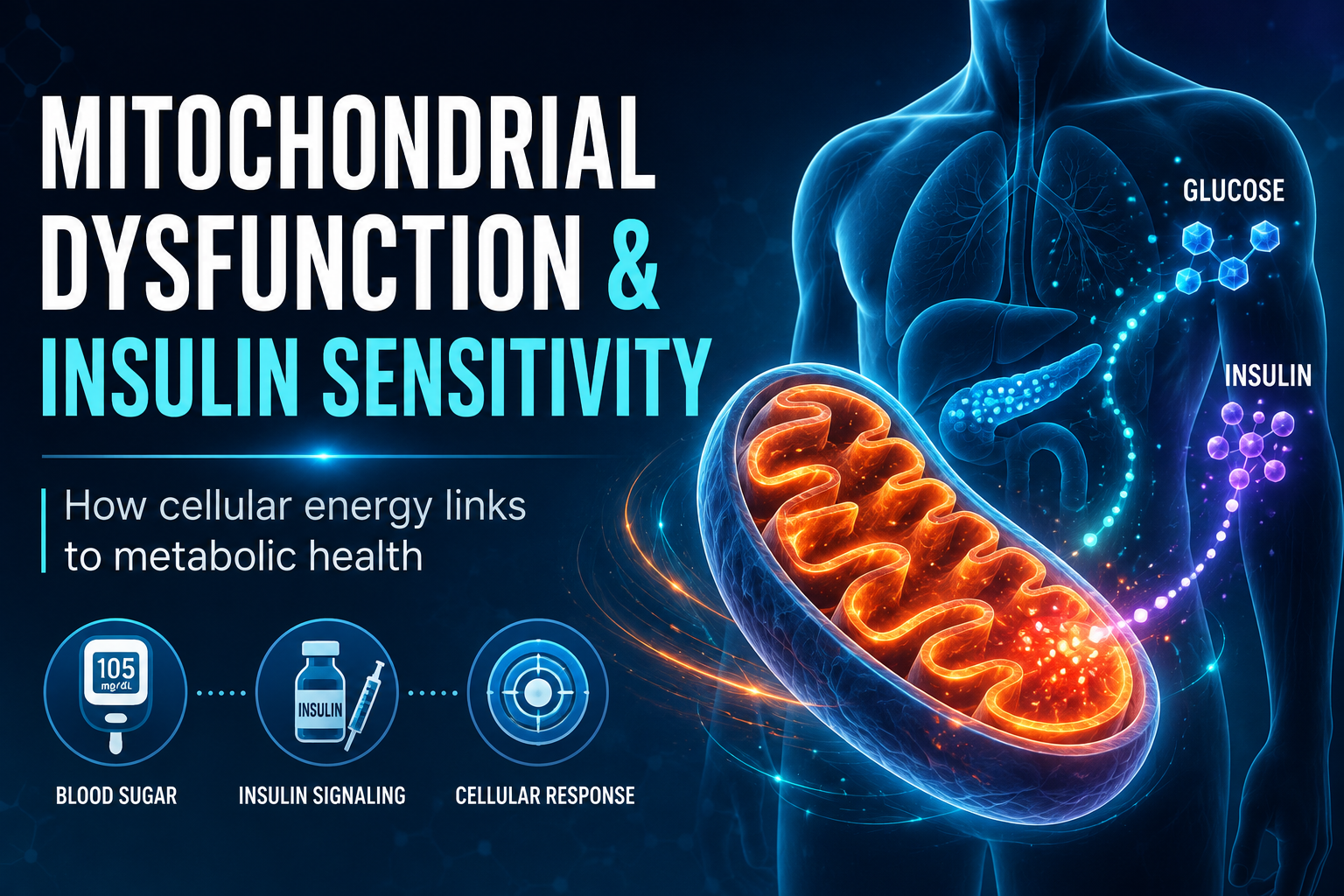
Mitochondria help convert nutrients into ATP, which cells use for energy.
Stress-related signaling can interact with metabolic and cellular processes, including pathways associated with mitochondrial function.
This does not mean that every stressed person has mitochondrial dysfunction. Instead, mitochondrial health is one piece of a larger physiological system.
Can Stress Cause Low Energy?
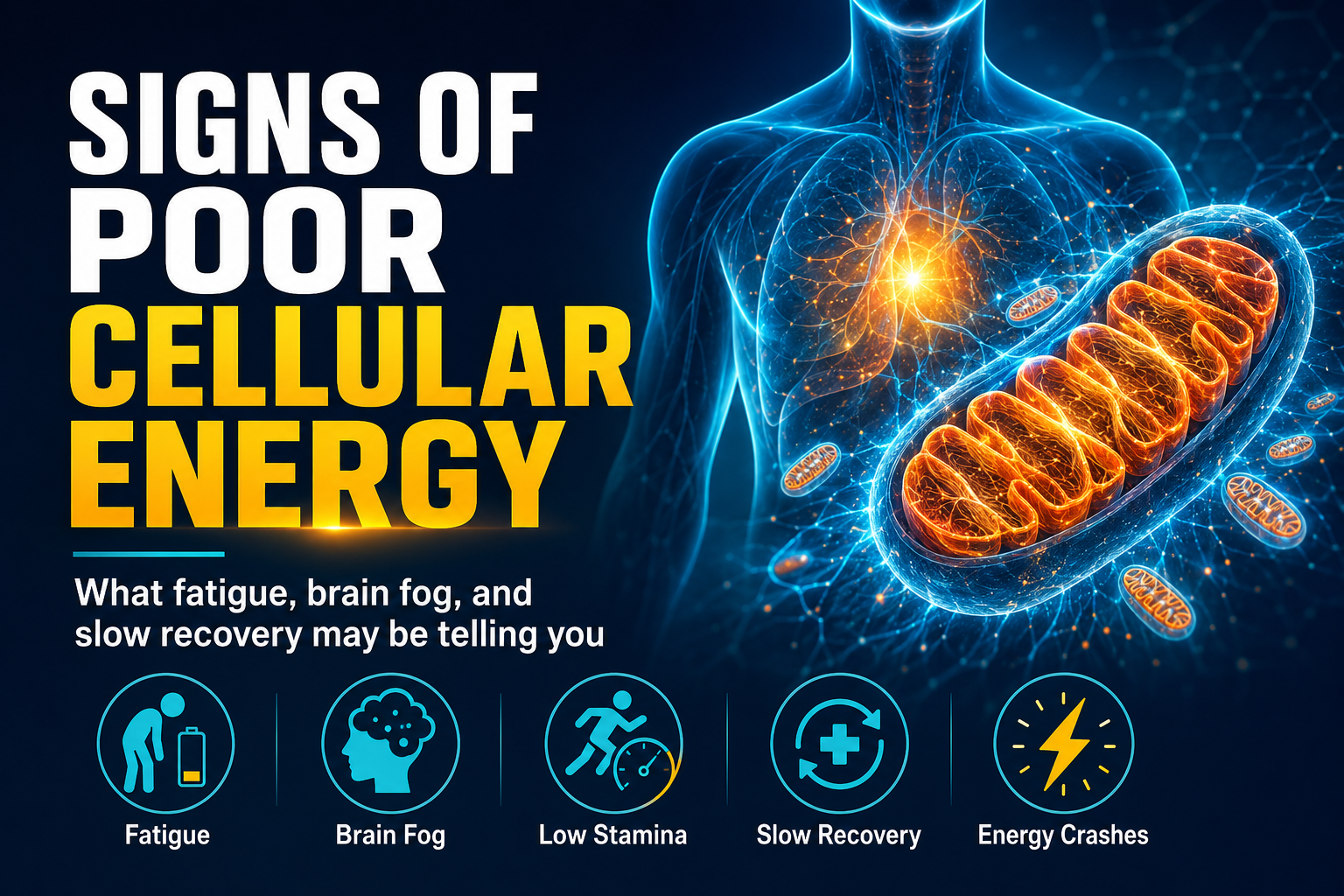
Chronic stress can contribute to feeling physically and mentally exhausted, particularly when it affects sleep, nutrition, recovery, and daily activity.
If fatigue is persistent, however, it is important to consider other possible contributors rather than assuming stress is the only explanation.
How Can You Support Your Body During Chronic Stress?
A strong foundation includes:
- Consistent sleep
- Regular physical activity
- Adequate nutrition
- Recovery time
- Stress-management practices
- Social connection
- Consistent daily routines
The goal is not to eliminate every source of stress. It is to improve your body’s ability to recover and adapt.
Final Thoughts
Energy is not produced by one system in isolation.
Stress, sleep, metabolism, nutrition, physical activity, and cellular energy production are interconnected. Understanding those relationships can provide a more complete perspective when persistent fatigue becomes a concern.
WildHeart Wellness uses a personalized functional approach to examine interconnected aspects of health rather than treating every symptom as an isolated problem.