

Your body needs energy for everything from movement and digestion to concentration, immune function, and basic cellular maintenance.
When you feel exhausted, it is natural to wonder whether something is happening at a deeper level.
The term cellular energy refers to the energy available to cells to perform their functions. Mitochondria play a central role in producing ATP, which cells use to power many biological processes.
But symptoms such as fatigue or brain fog do not prove that cellular energy production is impaired. They are nonspecific and can have many causes.
Key Takeaways
- Cellular energy is essential for normal body function.
- Mitochondria play a major role in producing ATP.
- Persistent fatigue can be one sign that your overall health deserves closer attention.
- Brain fog, reduced exercise tolerance, and slow recovery can have many possible causes.
- Symptoms alone cannot diagnose mitochondrial dysfunction.
What Is Cellular Energy?
Every cell in your body needs energy.
Your cells use ATP to support processes such as muscle contraction, nerve signaling, transport across cell membranes, and many forms of cellular maintenance.
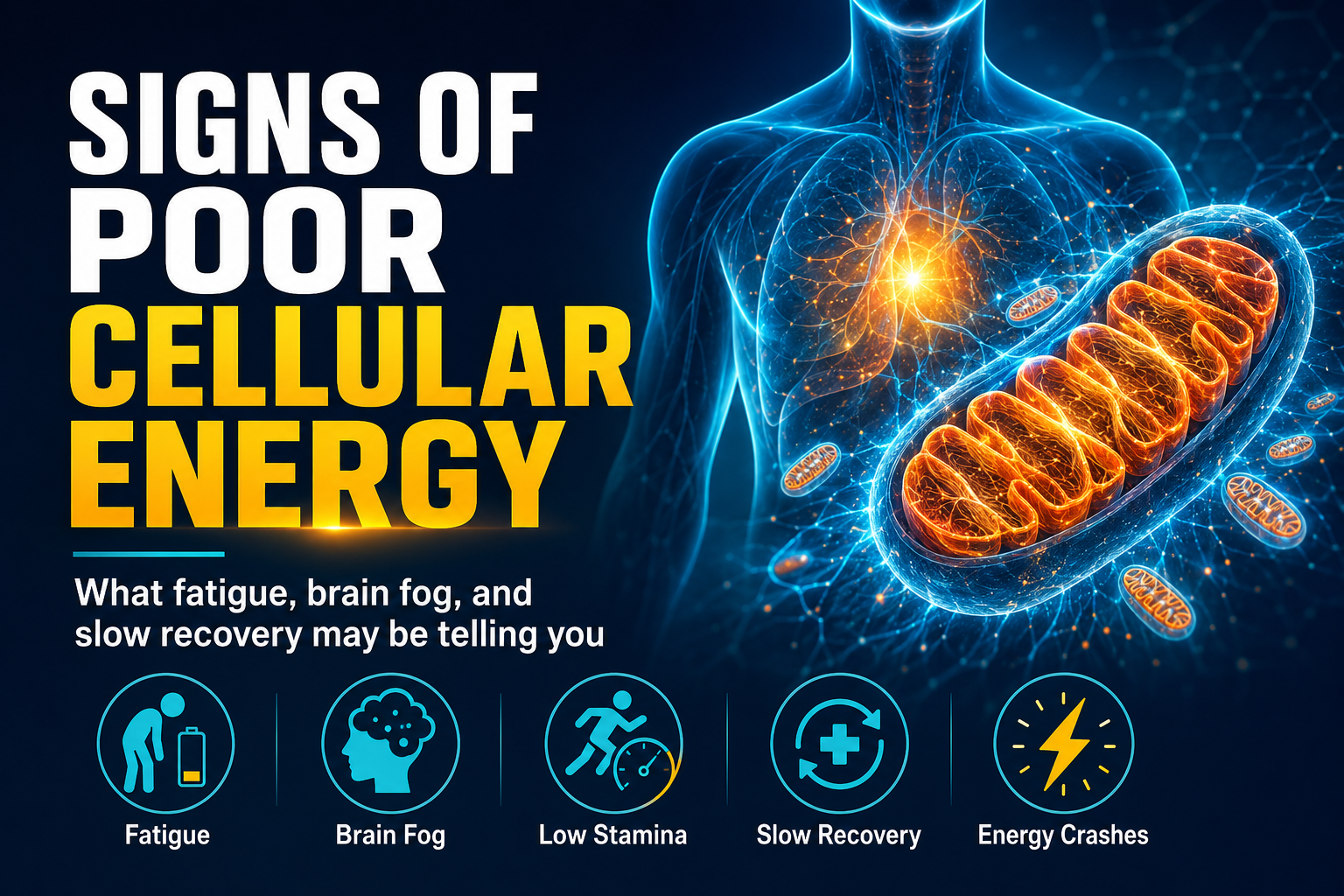
Mitochondria are often described as the cell’s energy-producing organelles because they generate much of the ATP used by cells.
However, energy metabolism is a highly coordinated process involving nutrients, oxygen, enzymes, hormones, blood flow, and multiple cellular pathways.
Possible Signs That Your Energy Needs Attention
There is no single symptom that confirms poor cellular energy.
However, persistent changes in how you feel may be worth investigating.
1. Persistent fatigue
Feeling tired occasionally is normal.
Consistent fatigue that does not improve with adequate rest deserves more attention, particularly when it affects daily activities.
2. Reduced exercise tolerance
You may notice that activities that once felt manageable now leave you unusually tired.
This can have many explanations, including sleep, conditioning, nutrition, cardiovascular fitness, medications, illness, and other health factors.
3. Brain fog
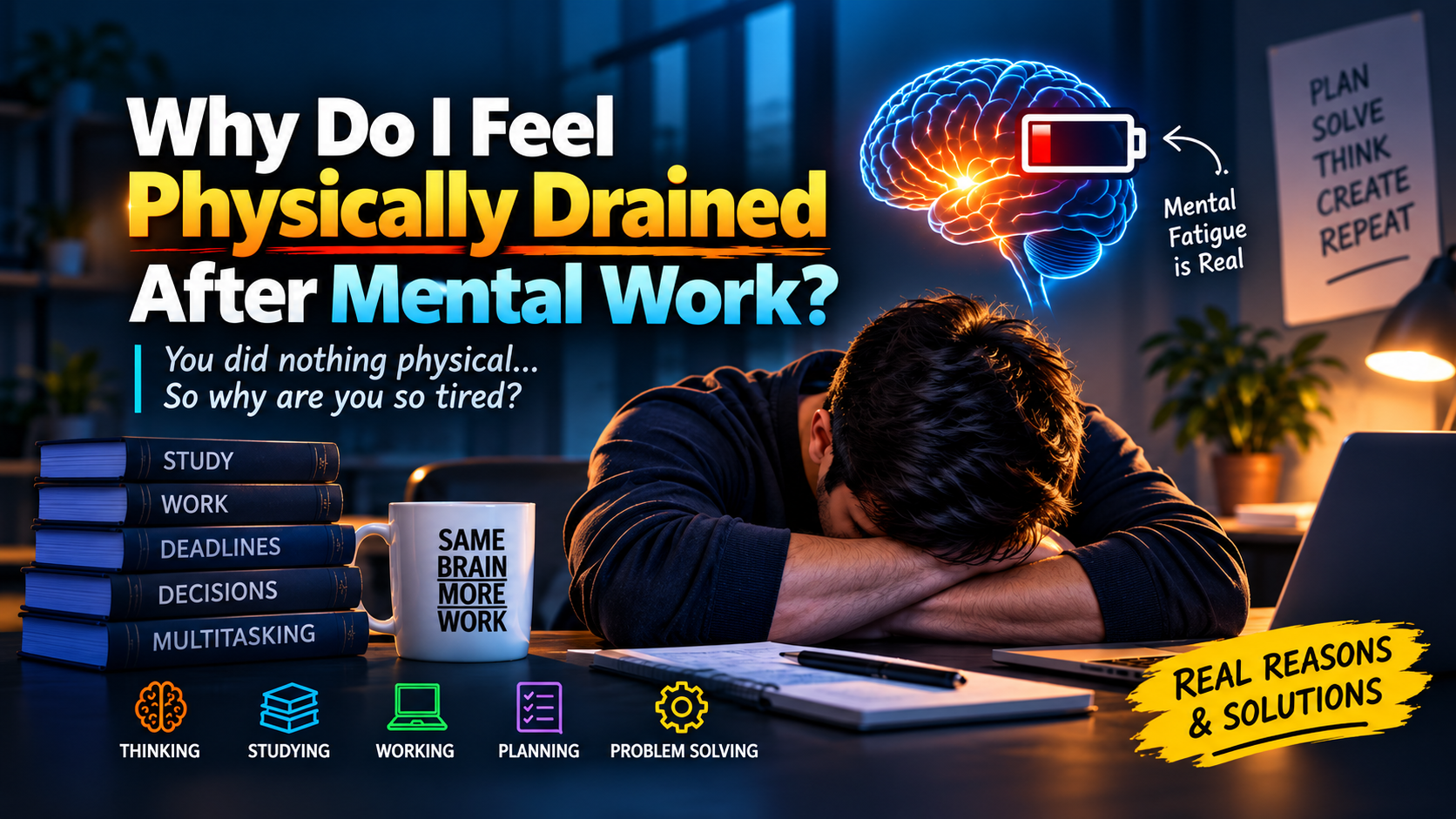
Difficulty concentrating, remembering information, or staying mentally alert can occur alongside fatigue.
Brain fog is not a diagnosis and can be associated with many different conditions.
4. Slow recovery
If you regularly feel unusually exhausted after normal physical activity, it may be worth examining your sleep, nutrition, activity level, stress, and overall health.
5. Frequent energy crashes
Repeated crashes during the day may be associated with sleep patterns, meal composition, blood glucose regulation, stress, caffeine use, or other factors.
What Can Affect Cellular Energy?
Cellular energy production is influenced by many factors.
These include:
- Nutrition
- Oxygen availability
- Physical activity
- Sleep
- Aging
- Metabolic health
- Chronic illness
- Oxidative stress
- Certain genetic conditions
- Environmental and lifestyle factors
Mitochondria also constantly adapt to cellular demands. They undergo processes involving biogenesis, fusion, fission, and removal of damaged mitochondria.
Why Mitochondrial Health Matters
Mitochondria do much more than produce ATP.
They are involved in metabolism, cellular signaling, regulation of reactive oxygen species, and cell survival.
Research has connected mitochondrial dysfunction with a variety of diseases and physiological changes, but the relationship is often complex.
For example, mitochondrial abnormalities have been studied in relation to fatigue, metabolic disease, aging, and muscle function.
That does not mean every person with fatigue has mitochondrial dysfunction.
Can You Improve Cellular Energy?
Healthy mitochondrial function is supported by the broader foundations of health.
These include:
- Regular physical activity
- Adequate sleep
- Balanced nutrition
- Healthy metabolic function
- Recovery from stress
- Avoiding tobacco exposure
- Appropriate management of medical conditions
Exercise is particularly important because physical activity stimulates adaptations in mitochondrial capacity and energy metabolism.
When Should You Look Deeper?
If low energy continues despite reasonable attention to sleep, nutrition, movement, and recovery, it may be time to look at the bigger picture.
A healthcare professional can help determine whether additional evaluation is appropriate.
The goal is not simply to find a laboratory result that explains everything.
The goal is to understand the factors that may be contributing to how you feel.
Cellular Energy Is Part of a Bigger System
Your cells do not operate independently.
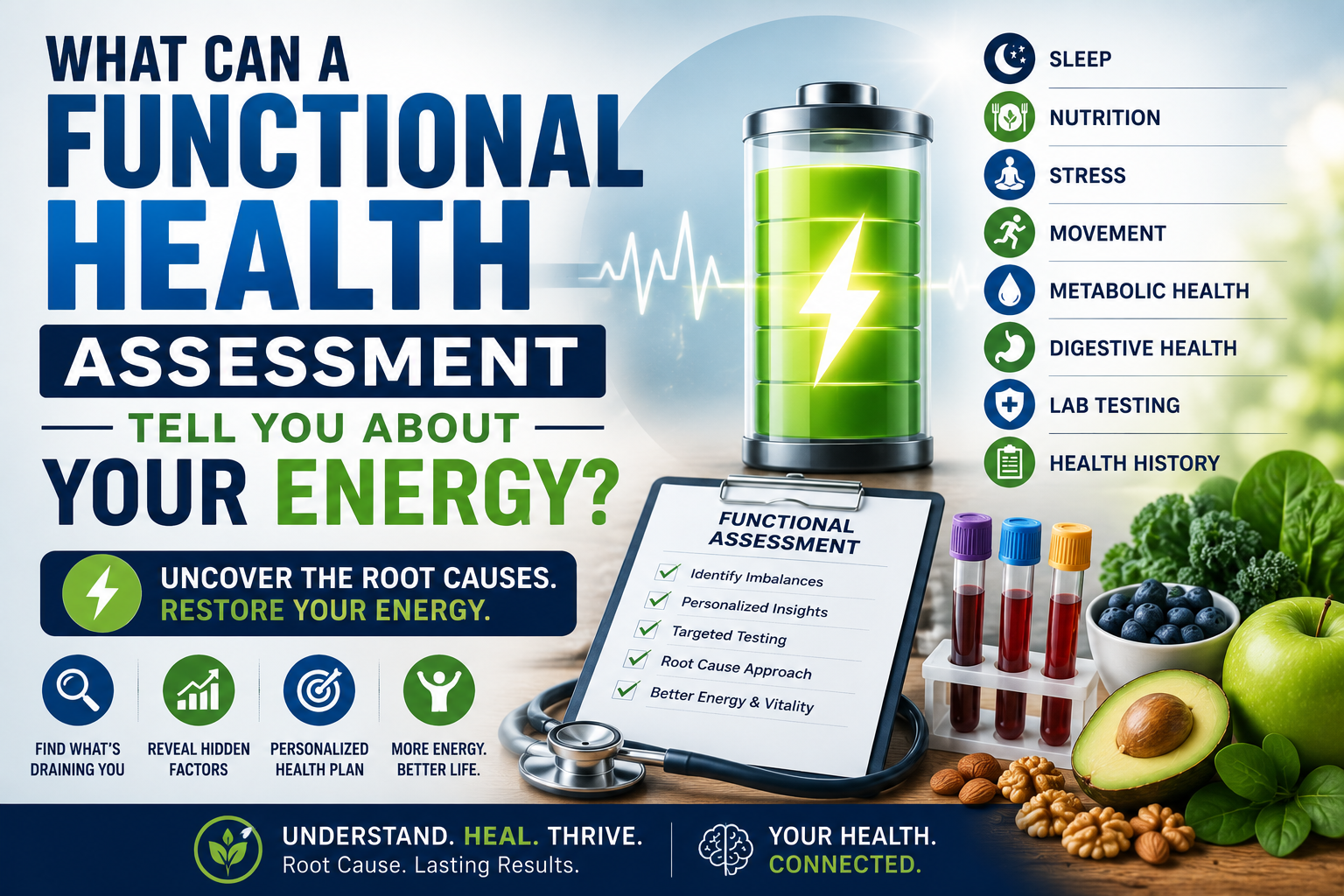
Energy production interacts with metabolism, sleep, nutrition, movement, stress, and other systems throughout the body.
That systems-based perspective is central to functional wellness.
WildHeart Wellness looks at health through interconnected systems, with individualized assessments designed to understand patterns rather than reducing the person to a single symptom.
Frequently Asked Questions
What does poor cellular energy mean?
It is a general way of describing inadequate or inefficient energy availability at the cellular level. It is not, by itself, a medical diagnosis.
What are common signs of low cellular energy?
Fatigue, reduced exercise tolerance, brain fog, and poor recovery can occur with many health issues and should not automatically be attributed to mitochondrial dysfunction.
Are mitochondria responsible for all energy in the body?
Mitochondria produce much of the ATP used by cells, but energy metabolism involves several interconnected pathways.
Can lifestyle affect mitochondrial health?
Yes. Exercise, nutrition, sleep, and metabolic health can influence mitochondrial biology and adaptation.
Should fatigue always be tested for mitochondrial problems?
No. Common causes of fatigue should be considered first, with testing guided by symptoms and clinical context.