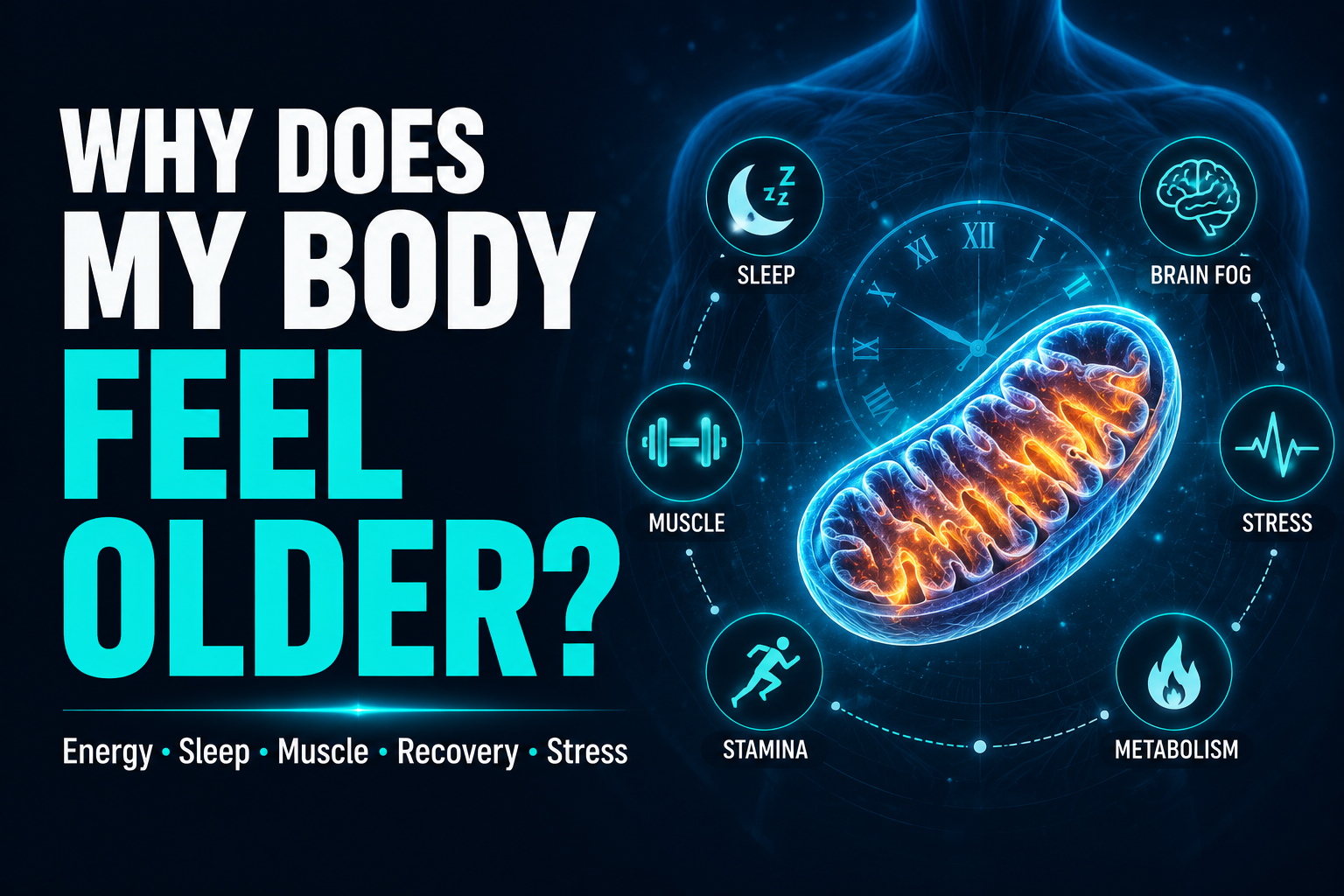


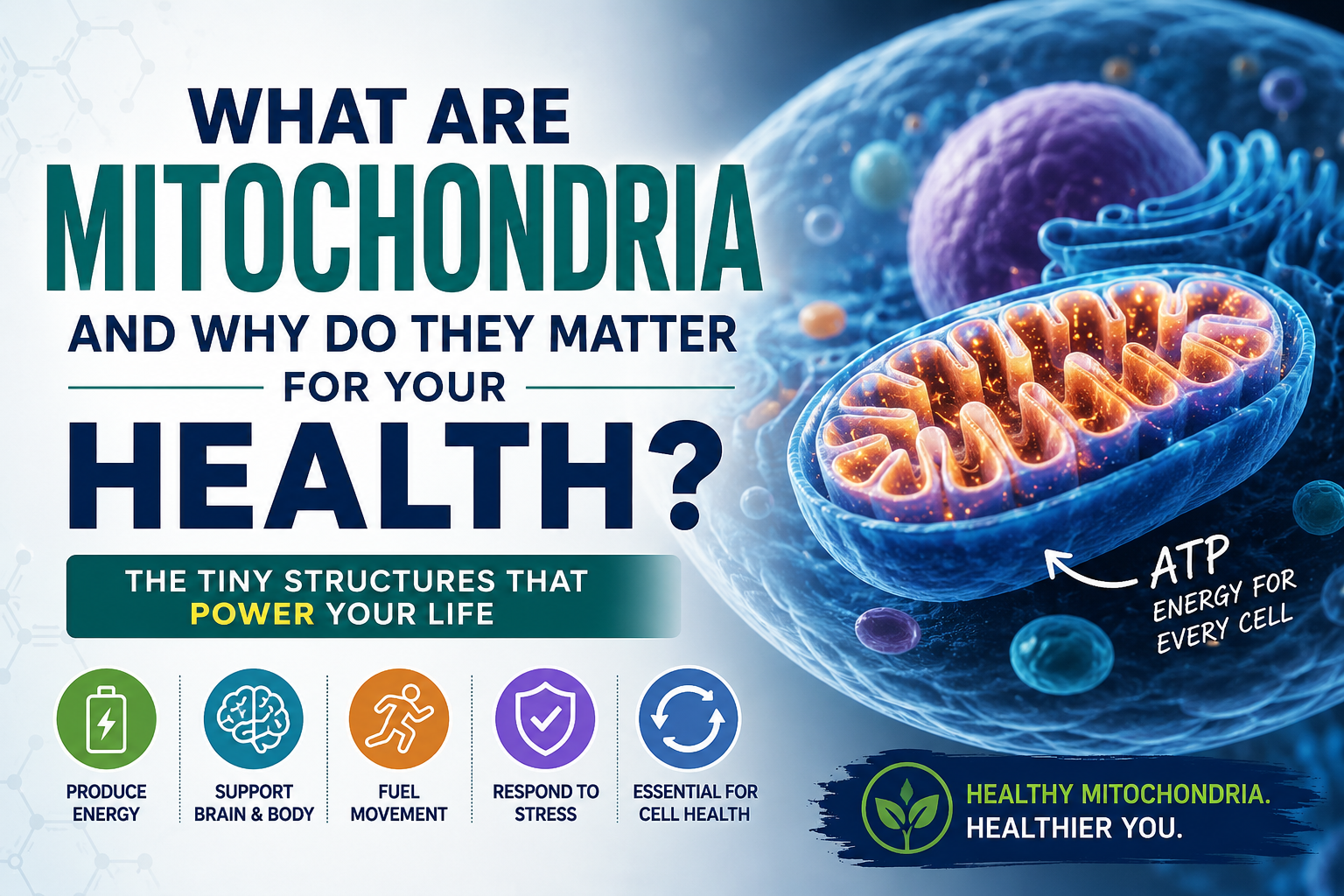
Mitochondria are tiny structures found inside many of your cells. They are best known for helping produce ATP, the primary energy currency used by cells.
Because nearly every part of the body requires energy, mitochondria play an important role in normal physiology.
But mitochondria are more than simple “powerhouses.” They also participate in cellular signaling, metabolism, stress responses, and other biological processes.
Key Takeaways
- Mitochondria are structures inside cells that help produce usable energy.
- They convert energy from nutrients into ATP.
- High-energy tissues such as the brain and muscles have substantial energy demands.
- Mitochondrial function is connected to metabolism and cellular health.
- Supporting mitochondrial health requires a whole-body approach.
What Are Mitochondria?
Mitochondria are specialized structures within cells.
One of their most important functions is producing ATP through cellular respiration. ATP provides usable energy for many cellular processes.
The number and activity of mitochondria can vary depending on the type of cell and its energy requirements.
Why Does Your Body Need Mitochondria?
Your body constantly uses energy.
Your heart contracts, your brain processes information, your muscles move, and your cells perform countless chemical reactions.
All of these processes require energy.
Mitochondria help make that energy available.
What Affects Mitochondrial Function?
Mitochondrial function can be influenced by numerous biological and lifestyle factors, including:
- Physical activity
- Nutrition
- Aging
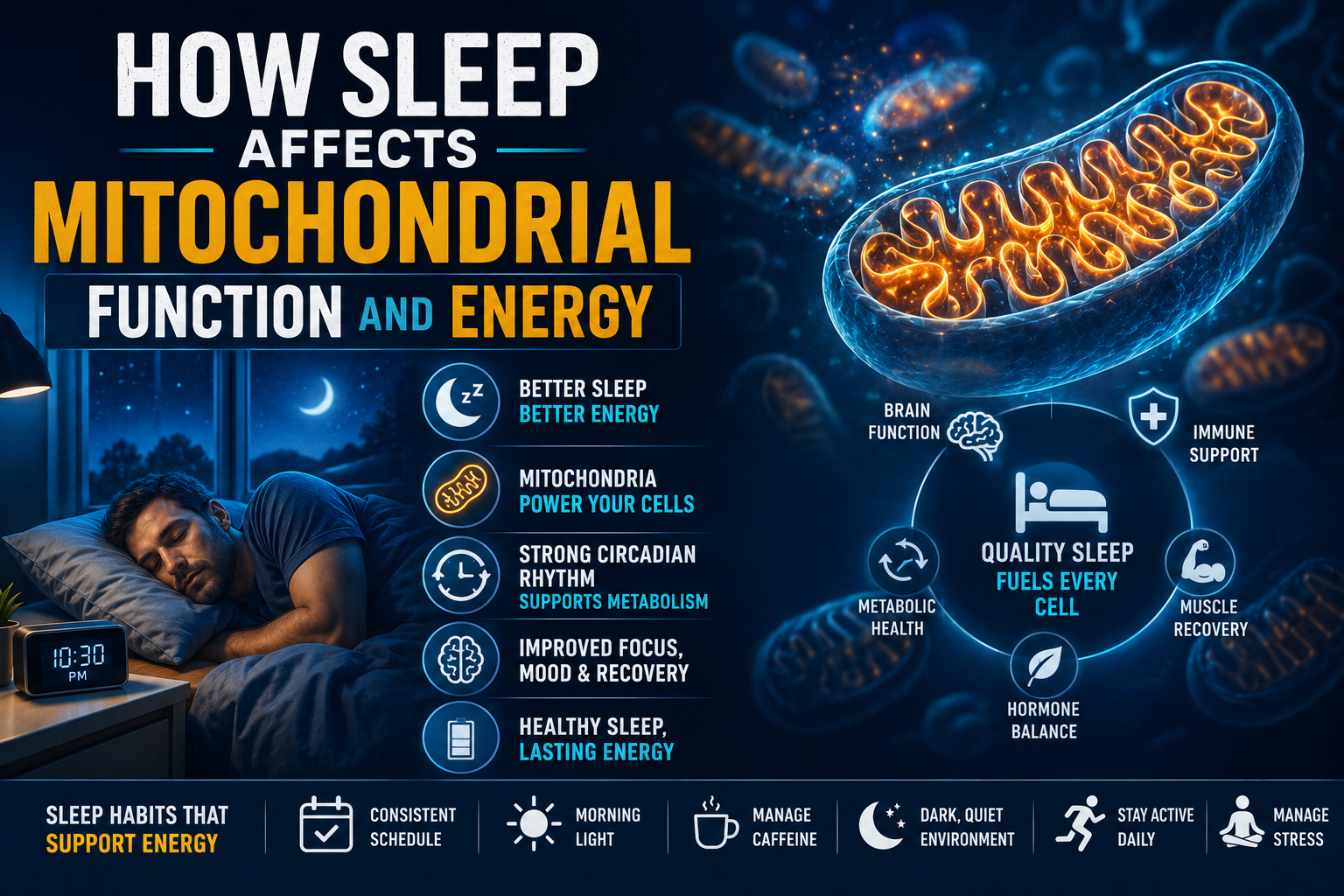
- Sleep
- Metabolic health
- Cellular stress
- Genetics
- Environmental exposures
This is why mitochondrial health cannot be reduced to one food, supplement, or habit.
Can You Support Mitochondrial Health?
You cannot control every factor affecting mitochondrial function, but foundational health behaviors matter.
Regular exercise, balanced nutrition, sufficient sleep, healthy metabolic function, and recovery all contribute to overall cellular health.
What Happens When Mitochondrial Function Changes?
Changes in mitochondrial function are associated with many biological processes and health conditions.
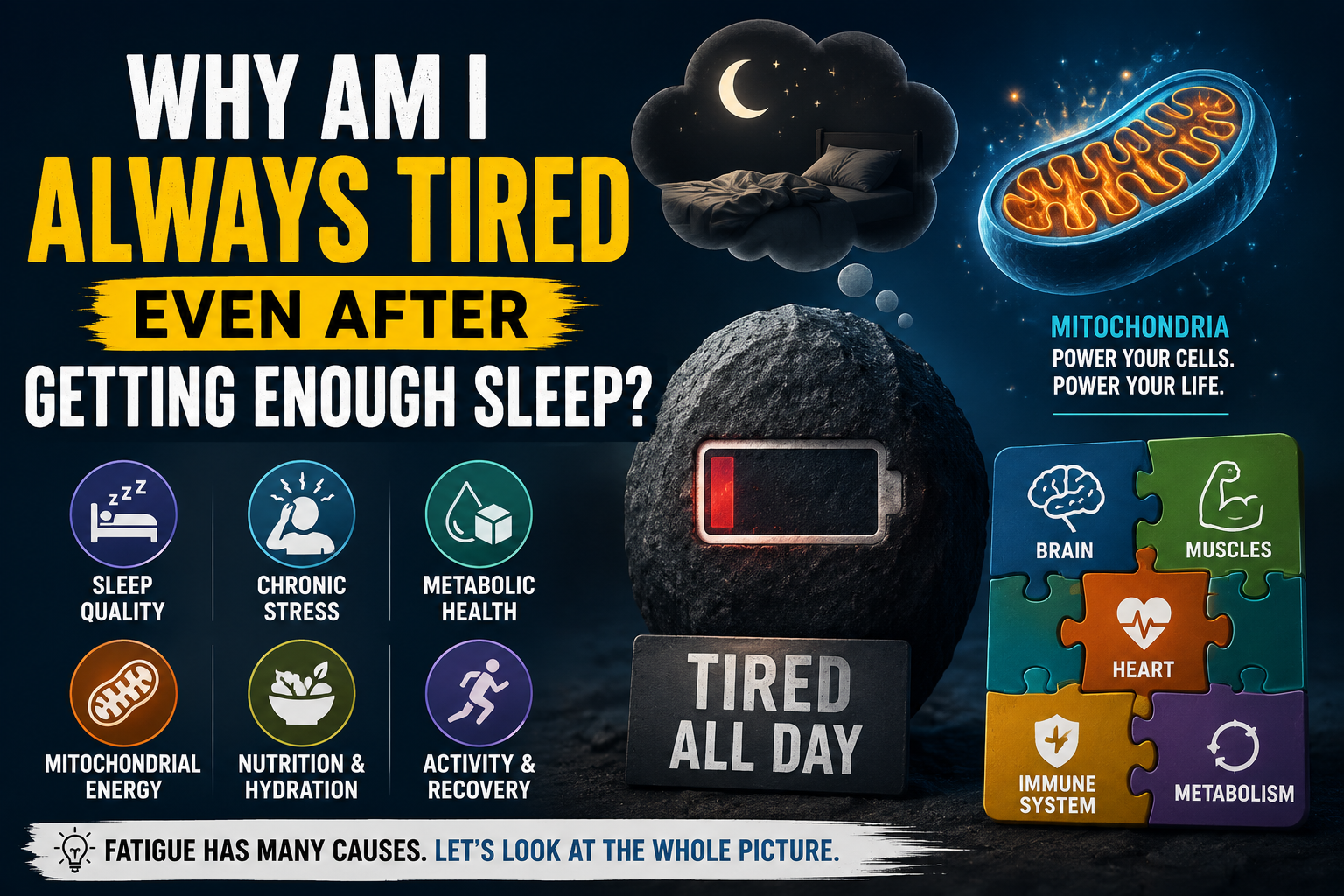
However, symptoms such as fatigue are nonspecific. Feeling tired does not by itself prove that someone has mitochondrial dysfunction.
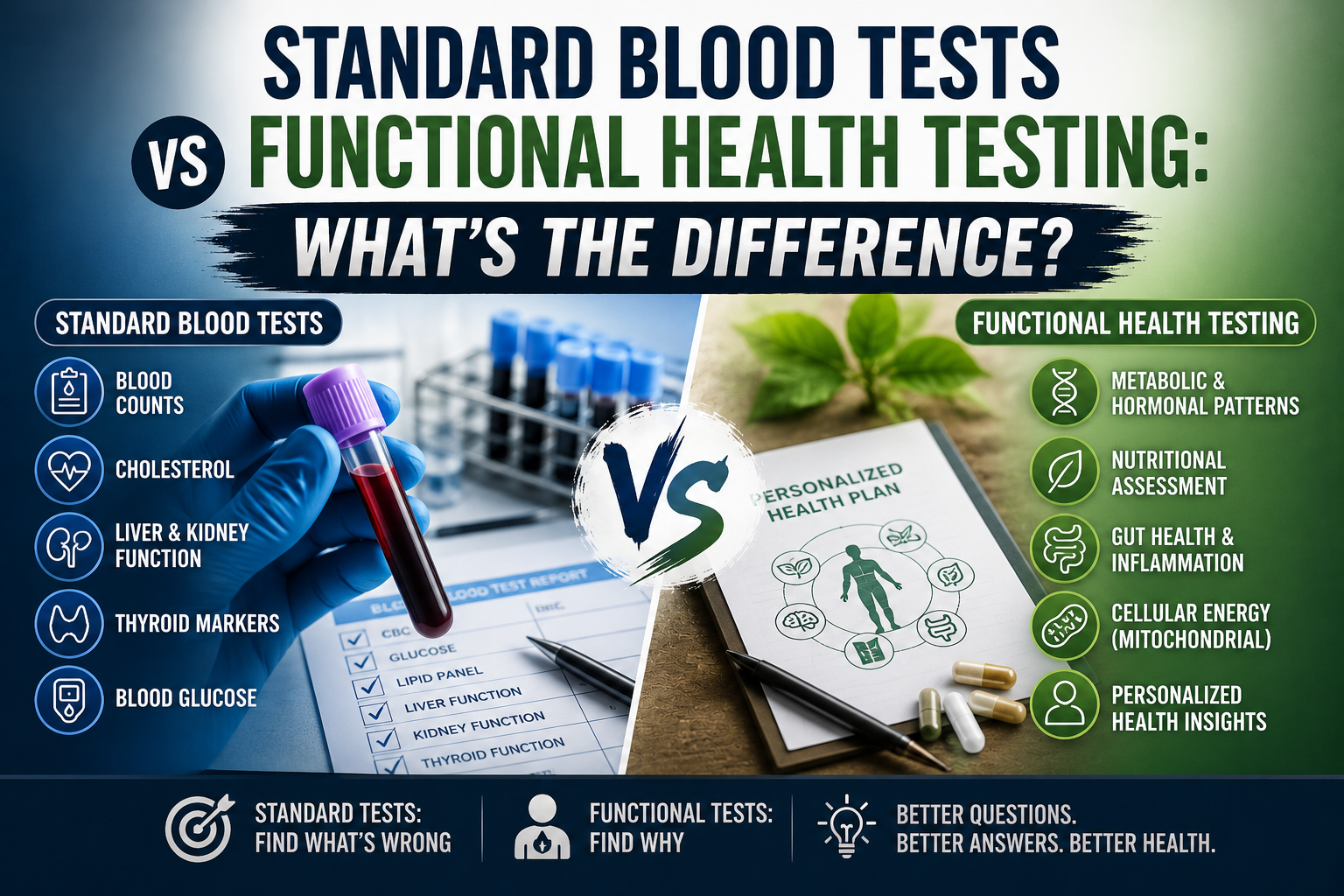
A proper evaluation should consider the person’s symptoms, history, lifestyle, health markers, and other relevant factors.
Why Mitochondria Matter to Functional Wellness
The body operates as an interconnected system.
Energy production interacts with metabolism, sleep, brain function, nutrition, exercise, and recovery.
That is why understanding mitochondrial function can be useful as part of a broader conversation about personalized health.
Final Thoughts
Mitochondria are fundamental to how your cells produce and use energy.
But mitochondrial health is not a standalone concept. It fits into a much larger network of biological systems that influence how you feel and function.
A personalized approach can help put mitochondrial health into the context of your overall wellness.