

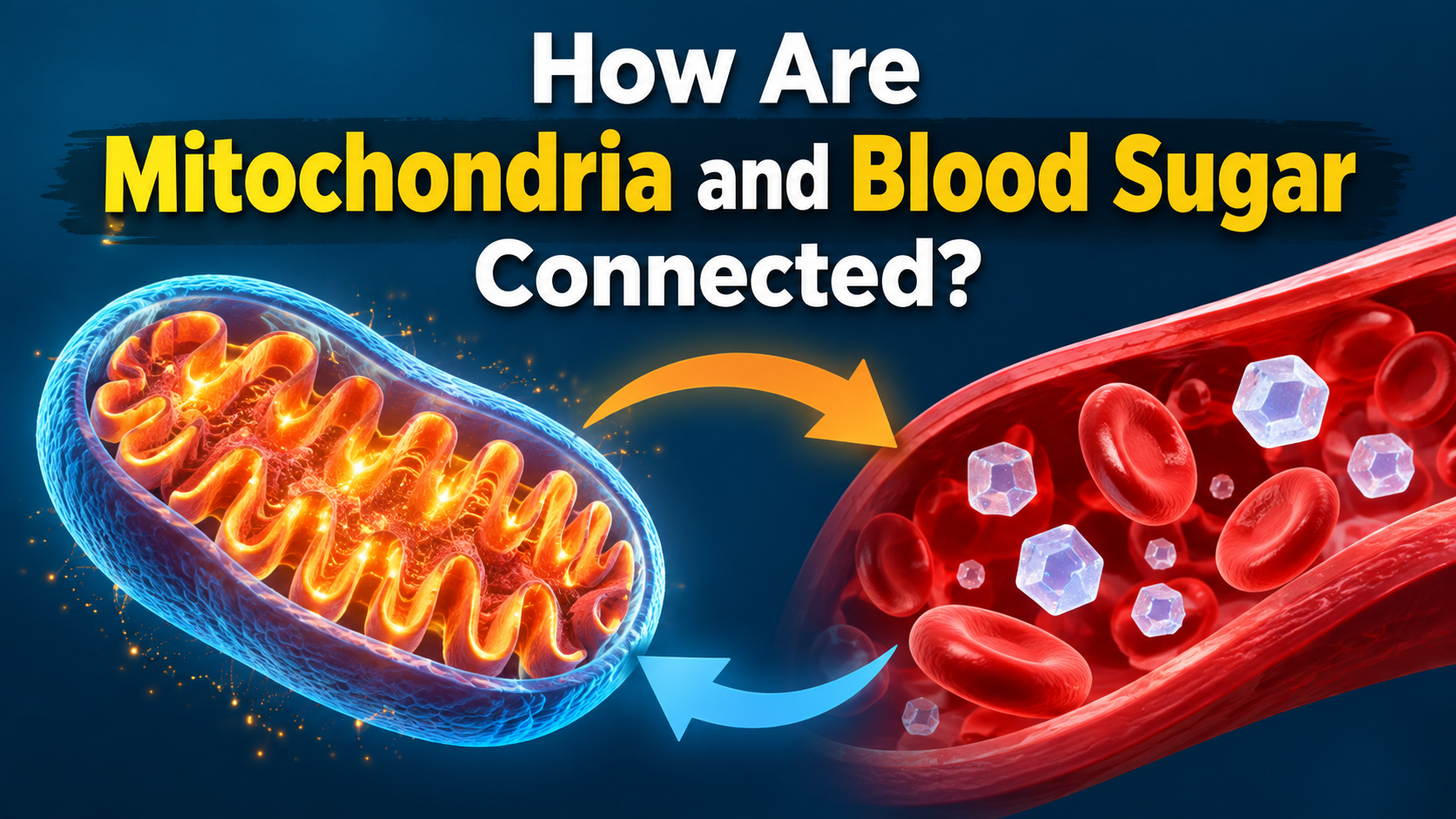
You eat a meal. Your blood sugar rises. Insulin is released.
Your muscles and other tissues begin taking up and using nutrients. Behind all of this, billions of tiny cellular processes are happening at the same time.
One of the key players is something you probably don’t think about when you think about blood sugar: Your mitochondria.
Most people know mitochondria as the “powerhouses of the cell.” That’s true, but it’s only part of the story. Mitochondria help cells turn nutrients into usable energy. They also take part in fat metabolism, cellular signaling, oxidative balance, and the way tissues respond to changing energy demands.
This makes them closely connected to glucose metabolism and insulin sensitivity. Mitochondria do not directly control your blood sugar, and mitochondrial dysfunction is not the single cause of diabetes.
Instead, mitochondrial function is one part of a much larger metabolic system involving the pancreas, liver, skeletal muscle, hormones, nutrition, physical activity, sleep, body composition, genetics, and overall metabolic health.
Understanding that connection can help explain why blood sugar is about much more than simply “eating too much sugar.”
Why This Connection Matters
Blood sugar problems are incredibly common. According to the CDC, 115.2 million U.S. adults, more than 2 in 5—have prediabetes, and about 8 in 10 adults with prediabetes don’t know they have it.
That makes prediabetes particularly important because it can develop quietly. You may feel relatively normal while changes in insulin sensitivity and glucose regulation are already occurring.
Meanwhile, research continues to show a close relationship between mitochondrial biology and insulin resistance, particularly in tissues such as skeletal muscle and liver. So understanding how these systems interact gives us a more complete picture of metabolic health.
First: What Do Mitochondria Actually Do?
Mitochondria are structures inside most of your cells. Their best-known role is producing ATP (adenosine triphosphate), a molecule cells use to power countless processes. To produce ATP, mitochondria process energy from nutrients through several interconnected metabolic pathways.
That means the mitochondria are involved in how your body handles the fuel coming from:
- Carbohydrates
- Fat
- Protein
But mitochondria are not simply miniature batteries.
They also participate in:
- Fatty-acid oxidation
- Cellular signaling
- Calcium regulation
- Reactive oxygen species signaling
- Metabolic adaptation
- Cellular stress responses
- Energy sensing
- Cell survival pathways
This broader role is why scientists study mitochondrial function when investigating metabolic diseases such as type 2 diabetes.
So, Where Does Blood Sugar Fit In?
Let’s follow what happens after you eat.
1. You eat carbohydrates
Carbohydrates are broken down into glucose and other molecules.
2. Glucose enters your bloodstream
Your blood glucose rises.
3. Your pancreas releases insulin
Insulin signals tissues throughout the body to respond to the incoming nutrients.
4. Skeletal muscle takes up glucose
This is a major part of the body’s response to a meal. Skeletal muscle is actually the principal tissue responsible for insulin-stimulated glucose disposal in the body.
5. Cells process and use the fuel
Glucose can be stored as glycogen or enter metabolic pathways that ultimately provide energy.
6. Mitochondria help produce usable cellular energy
Mitochondria are central to oxidative metabolism and ATP production. But the relationship also runs in the other direction.
The condition of the metabolic environment can influence mitochondrial function. And that’s where things become much more interesting.
Your Muscles Are a Major Part of the Blood Sugar Story
When people think about blood sugar, they often think about the pancreas. But your skeletal muscles deserve just as much attention.
Muscle is one of the body’s major sites for insulin-stimulated glucose uptake. After you eat, insulin helps direct glucose into muscle cells, where it can be stored as glycogen or used to support energy needs.
This means your muscles are not simply there to help you move. They are also an important part of your metabolic machinery. And because muscle cells have high energy demands, they contain large numbers of mitochondria.
That creates a natural connection between:
Muscle health → glucose uptake → insulin sensitivity → mitochondrial metabolism → whole-body metabolic health
What Is Insulin Resistance?
Insulin acts as a signal. One of its important jobs is helping your body manage glucose. When insulin signaling works effectively, tissues can respond appropriately to insulin. But when cells become less responsive to insulin, the body develops insulin resistance.
The pancreas may initially compensate by producing more insulin. Over time, however, insulin resistance can contribute to higher blood glucose and eventually type 2 diabetes in susceptible individuals.
Mitochondrial changes have been observed alongside insulin resistance in skeletal muscle and other tissues. But scientists are still investigating exactly how these changes relate to one another.
The Mitochondria–Insulin Resistance Connection
This is where many online articles oversimplify the science. Research has found associations between mitochondrial alterations and insulin resistance, including changes in mitochondrial content, oxidative capacity, bioenergetics, and substrate metabolism.
But researchers still debate cause and effect.
Do mitochondrial changes contribute to insulin resistance?
Can insulin resistance itself alter mitochondrial function?
Can both processes influence one another?
Current evidence suggests that all three possibilities may matter depending on the tissue, metabolic condition, and stage of disease.
How Might Mitochondria Influence Blood Sugar?
1. They Help Cells Process Energy
Glucose isn’t useful simply because it is circulating in your blood. Cells need to process nutrients and convert their chemical energy into forms they can use. Mitochondria are central to this process.
If mitochondrial energy metabolism changes, the way cells handle incoming nutrients can also change. This is one reason mitochondrial biology is closely connected to metabolic health.
2. They Help Muscles Use Fuel
Your skeletal muscles are constantly using energy.
Walking.
Climbing stairs.
Exercising.
Maintaining posture.
Even basic muscle function requires ATP. Mitochondria help supply that energy. Physical activity also changes mitochondrial function and stimulates adaptations in skeletal muscle.
At the same time, exercise increases glucose uptake by muscle through mechanisms that can work both with and independently of insulin. This is one reason movement is so powerful for metabolic health. Your muscles aren’t just burning calories. They’re actively participating in glucose regulation.
3. Mitochondria Are Involved in Cellular Redox Balance
Mitochondria naturally produce reactive oxygen species during energy metabolism. Reactive oxygen species are not automatically harmful. In normal amounts, they can act as signaling molecules.
The problem is an imbalance between oxidative processes and the systems that regulate them. Research into insulin resistance has identified altered redox signaling and mitochondrial reactive oxygen species among the pathways that may affect insulin signaling.
What Is the Difference Between Prediabetes and Diabetes?
Understanding the numbers can help you see why early metabolic changes matter.
|
|
|
|
|
|
|
|
|
|
|
|
|
|
|
|
|
|
|
|
These are the ADA’s 2026 diagnostic criteria for nonpregnant individuals. In the absence of unequivocal hyperglycemia, diabetes generally requires confirmatory testing. These numbers are for clinical diagnosis, not self-diagnosis.
If you’re concerned about your blood sugar, testing should be interpreted by an appropriate healthcare professional.
Does High Blood Sugar Affect Mitochondria?
The relationship can work in both directions. Metabolic dysfunction can alter mitochondrial function. At the same time, mitochondrial changes may influence cellular responses to nutrients and insulin.
Persistent hyperglycemia also exposes cells to prolonged metabolic stress. Research in type 2 diabetes has identified changes in mitochondrial bioenergetics, oxidative phosphorylation, mitochondrial dynamics, and related signaling pathways.
This can create a complicated feedback loop:
Metabolic stress
↓
Changes in cellular fuel handling
↓
Mitochondrial and redox changes
↓
Altered insulin signaling
↓
Changes in glucose handling
↓
Further metabolic stress
But this isn’t a universal sequence that happens identically in everyone. Human metabolism is considerably more complicated.
The Liver Matters Too
It’s easy to focus only on muscles. But your liver is another major player.
The liver helps:
- Store glucose as glycogen
- Release glucose when needed
- Produce glucose between meals
- Process fats
- Coordinate fuel availability
Mitochondria in liver cells are deeply involved in these metabolic processes. Mitochondrial dysfunction has been studied in the liver in relation to insulin resistance, fatty liver disease, and type 2 diabetes.
So when we talk about mitochondrial health and blood sugar, we’re really talking about multiple tissues, not just one.
What Can Support Healthy Mitochondrial and Metabolic Function?
There is no single food, powder, pill, or “mitochondrial hack” that can guarantee healthy blood sugar. The strongest approach is much less complicated.
- Move regularly – Physical activity improves glucose uptake and insulin sensitivity.
- Break up long periods of sitting – A workout doesn’t completely erase a sedentary day. Stand up. Walk between meetings. Take a short walk after meals.
- Eat a nutrient-dense diet – Your cells need energy and nutrients to function. The right dietary approach depends on your health, preferences, culture, medications, and individual needs.
- Don’t Blame Sugar for Everything – This is another common mistake. Glucose is not a poison. Your body needs glucose. Your brain uses glucose. Your muscles use glucose. Your cells can also use fat and other fuels.
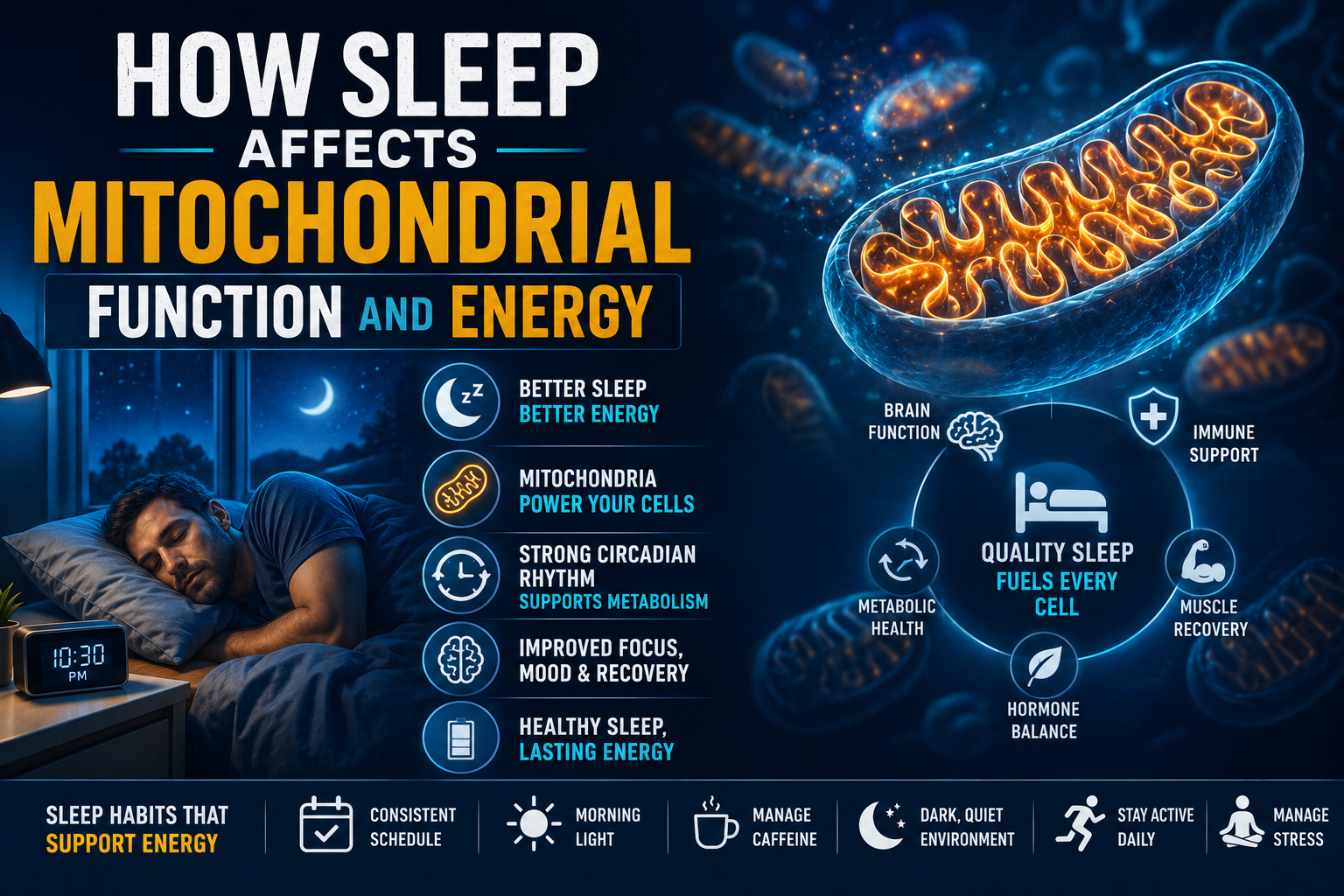
Sleep Is Part of the Metabolic Equation – Sleep deserves a place at the table too. Poor or insufficient sleep can affect appetite, hormonal signaling, glucose metabolism, physical activity, and recovery.
What About “Mitochondrial Dysfunction”?
The term can mean different things depending on context. In research, scientists may examine:
- ATP production
- Oxygen consumption
- Oxidative phosphorylation
- Mitochondrial density
- Mitochondrial DNA
- Enzyme activity
- Mitochondrial dynamics
- Reactive oxygen species
- Substrate oxidation
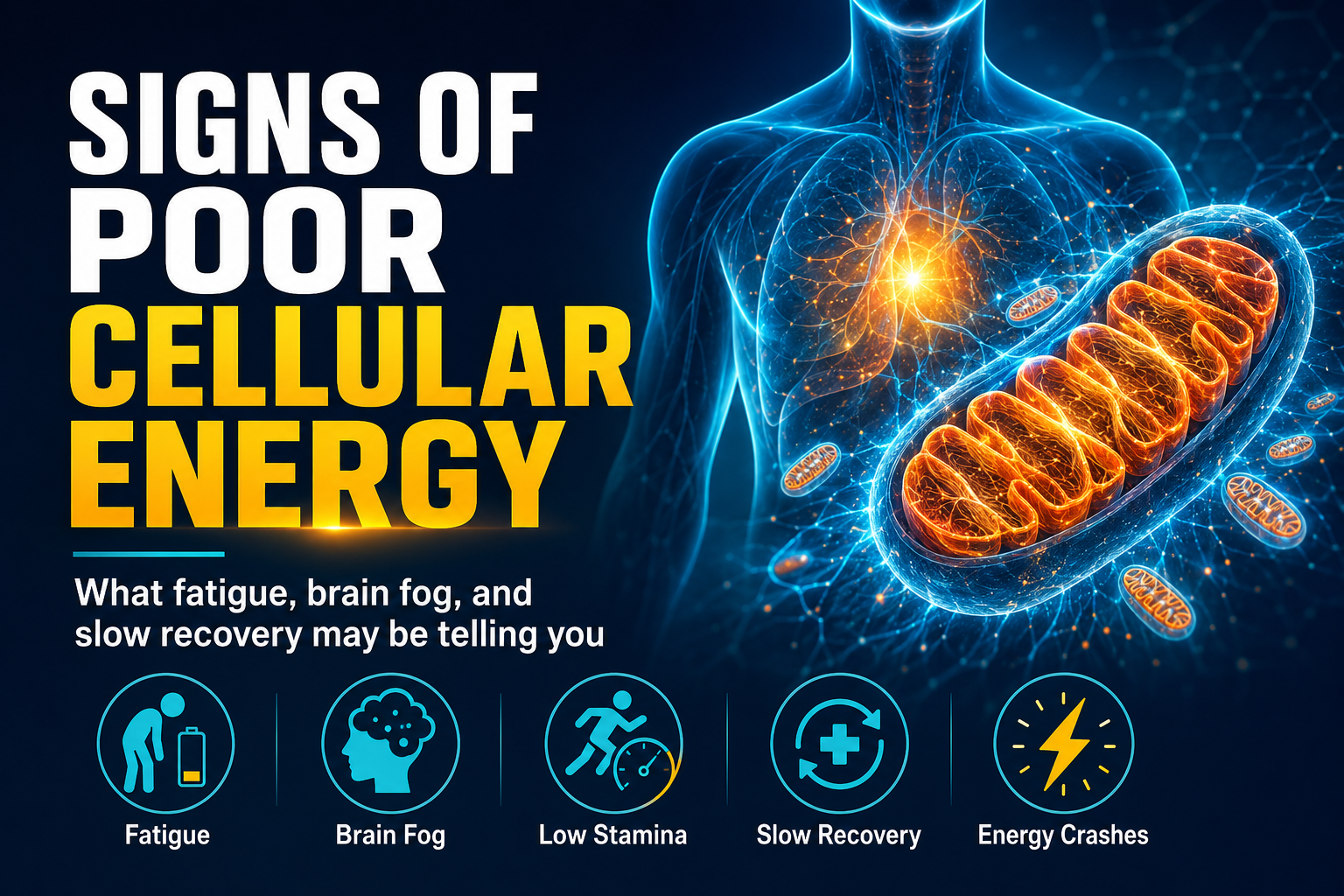
These are not things you can reliably infer from a feeling of tiredness. Clinical mitochondrial diseases are also very different from the metabolic changes discussed in common insulin resistance. Don’t confuse the two.
Mitochondria and Blood Sugar: The Bigger Picture
|
|
|
|
|
|
|
|
|
|
|
|
|
|
|
|
|
|
|
|
|
|
|
|
|
|
|
|
|
|
|
|
|
|
|
|
|
|
|
|
The takeaway?
Mitochondria are an important piece of the metabolic puzzle—not the entire puzzle.
6 Practical Ways to Support Your Metabolic Health
- A short walk uses your muscles when glucose from a meal is entering the bloodstream.
- Build and maintain metabolically active muscle.
- Don’t make your only movement a 45-minute workout.
- Focus on overall nutritional quality rather than eliminating one food group without reason.
- Give your body enough opportunity to recover.
- Find realistic ways to reduce your overall stress load and create periods of recovery.
If you’re at risk for diabetes or have symptoms or concerns, appropriate testing can provide information that guessing cannot.
When Should You Get Your Blood Sugar Checked?
You shouldn’t wait until you feel sick. Prediabetes often has no obvious symptoms. People with prediabetes should generally be tested yearly.
Risk factors can include:
- Family history of diabetes
- Physical inactivity
- High blood pressure
- Abnormal cholesterol or triglycerides
- Polycystic ovary syndrome
- Metabolic dysfunction-associated steatotic liver disease
- Previous gestational diabetes
- Overweight or obesity
- Other conditions associated with insulin resistance
Your healthcare professional can determine which tests are appropriate for you.
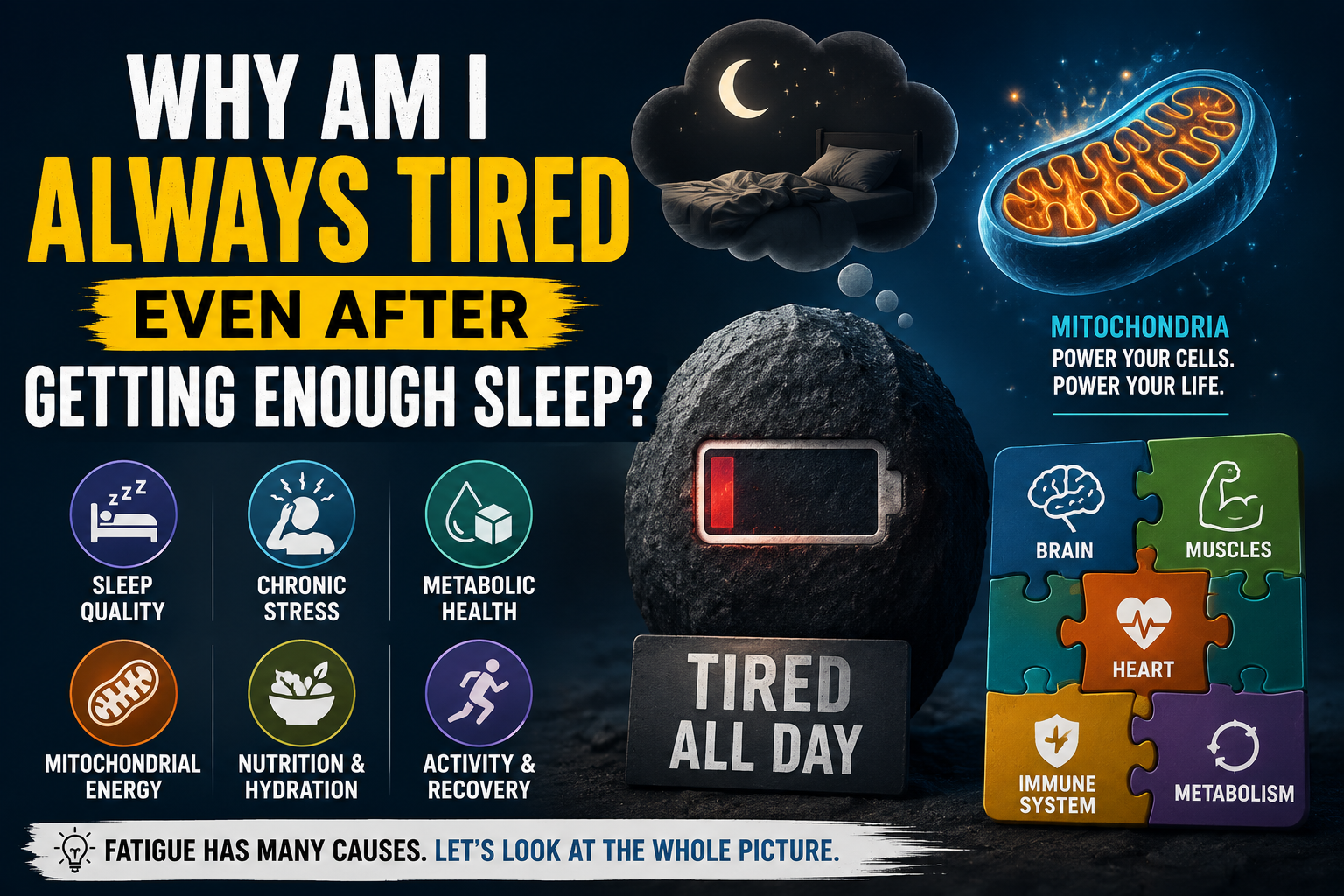
At WildHeart Wellness, mitochondrial health makes the most sense when viewed as part of a larger biological system. Your cells don’t operate in isolation. Your mitochondria don’t operate in isolation. Your metabolism doesn’t operate in isolation. Everything is connected.
- Nutrition influences fuel availability.
- Movement changes how your muscles use glucose.
- Sleep supports recovery and metabolic regulation.
- Stress changes the hormonal environment.
- Muscle health influences glucose disposal.
- Mitochondria help cells process fuel and produce energy.
This is why a whole-body approach can be more meaningful than chasing a single symptom or buying another product marketed as a “mitochondrial booster.”
Don’t Just Look at Your Blood Sugar. Understand the System Behind It.
If you’re concerned about energy, blood sugar, insulin resistance, metabolic health, or the way your body handles fuel, a deeper look can help connect the dots.
Frequently Asked Questions
1. How are mitochondria and blood sugar connected?
Mitochondria are central to cellular energy metabolism. They help cells process nutrients and produce ATP, while insulin and glucose regulate how cells receive and use fuel. Mitochondrial biology is particularly relevant in skeletal muscle and liver, two tissues that play major roles in glucose regulation.
2. Can mitochondrial dysfunction cause high blood sugar?
Mitochondrial dysfunction is associated with insulin resistance and type 2 diabetes and may contribute to impaired insulin signaling. However, research has not established mitochondrial dysfunction as the single initiating cause of high blood sugar in humans. The relationship can work in both directions.
3. Can exercise improve mitochondrial function and insulin sensitivity?
Regular physical activity can stimulate mitochondrial adaptations in skeletal muscle and improve insulin sensitivity through several mechanisms. Exercise therefore influences both sides of the mitochondrial–metabolic relationship.
4. Can walking help blood sugar?
Walking uses skeletal muscle and increases energy demand. Muscle contraction can stimulate glucose uptake, including through pathways that don’t depend entirely on insulin. Regular walking can therefore be a useful component of metabolic health.
5. Does high blood sugar damage mitochondria?
Persistent metabolic stress and hyperglycemia are associated with changes in mitochondrial function and cellular redox balance. However, the relationship is complex and depends on factors such as tissue type, disease stage, and overall metabolic condition.
6. Can I have insulin resistance without diabetes?
Yes. Insulin resistance can develop before blood glucose reaches the diagnostic range for diabetes. Prediabetes represents an intermediate range of glucose dysregulation and is associated with increased future metabolic risk.
7. What blood sugar level indicates diabetes?
The ADA’s 2026 criteria include an A1C of 6.5% or higher, fasting plasma glucose of 126 mg/dL or higher, or a 2-hour plasma glucose of 200 mg/dL or higher during a 75-g oral glucose tolerance test. In the absence of unequivocal hyperglycemia, confirmatory testing is generally required.
8. Do mitochondrial supplements lower blood sugar?
There is no single mitochondrial supplement that should be considered a universal treatment for high blood sugar or diabetes. Some compounds have been studied in relation to mitochondrial biology and metabolic health, but evidence varies. Supplements should not replace appropriate medical treatment.
9. Can diet improve mitochondrial and metabolic health?
A balanced, nutrient-dense diet supports normal energy metabolism and overall metabolic health. There is no single “mitochondrial diet” that works for everyone. Dietary needs should be considered alongside health conditions, medications, preferences, and lifestyle.
The Bottom Line
Your blood sugar and your mitochondria are part of the same larger story. Mitochondrial health is not the whole answer to blood sugar, but it is an important piece of the metabolic puzzle. Your body is more connected than a blood sugar number can show.
At WildHeart Wellness, the goal is to understand those connections and help you build a stronger foundation for long-term health.
Understand your metabolism. Support your cellular energy. Build better health from the inside out.