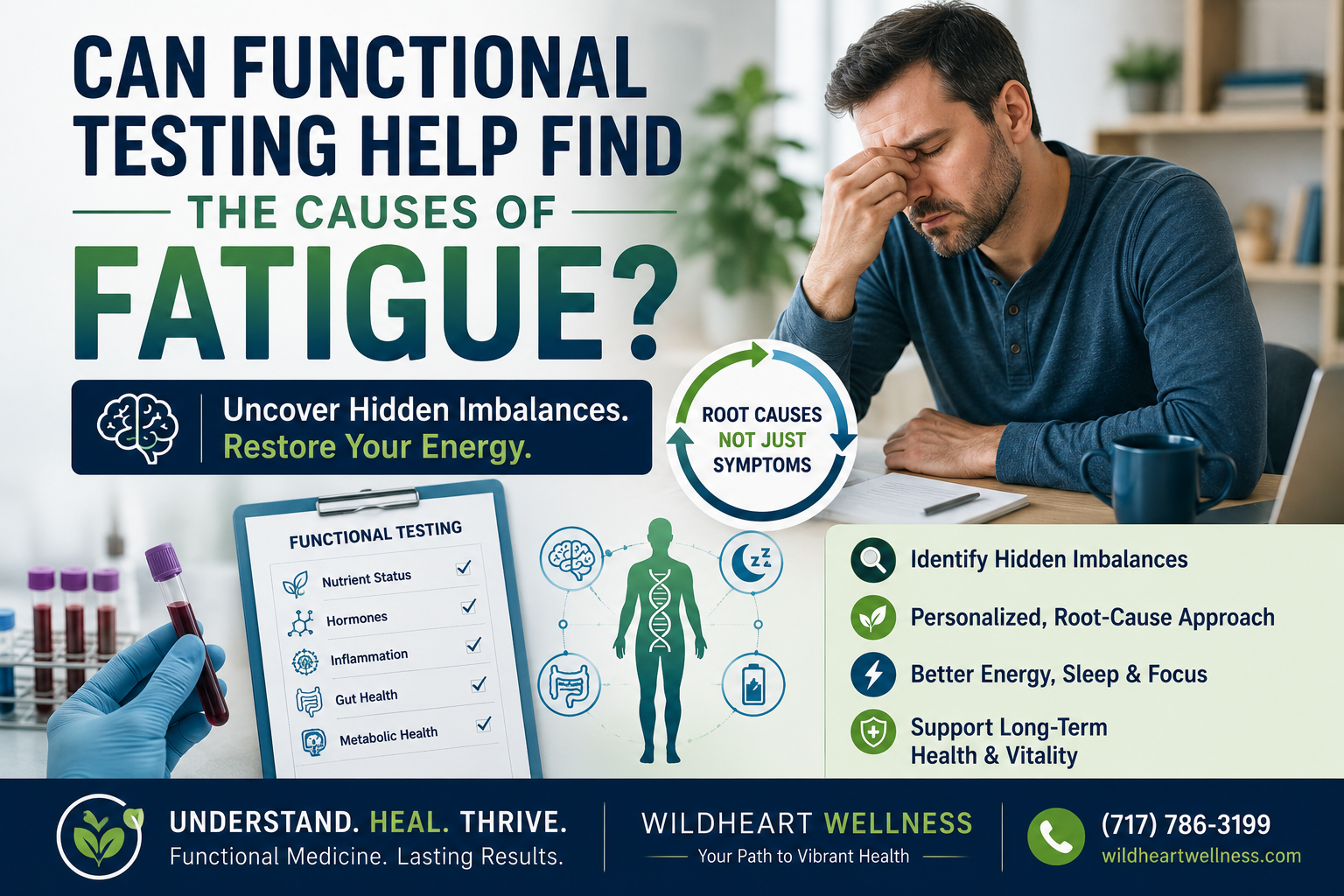


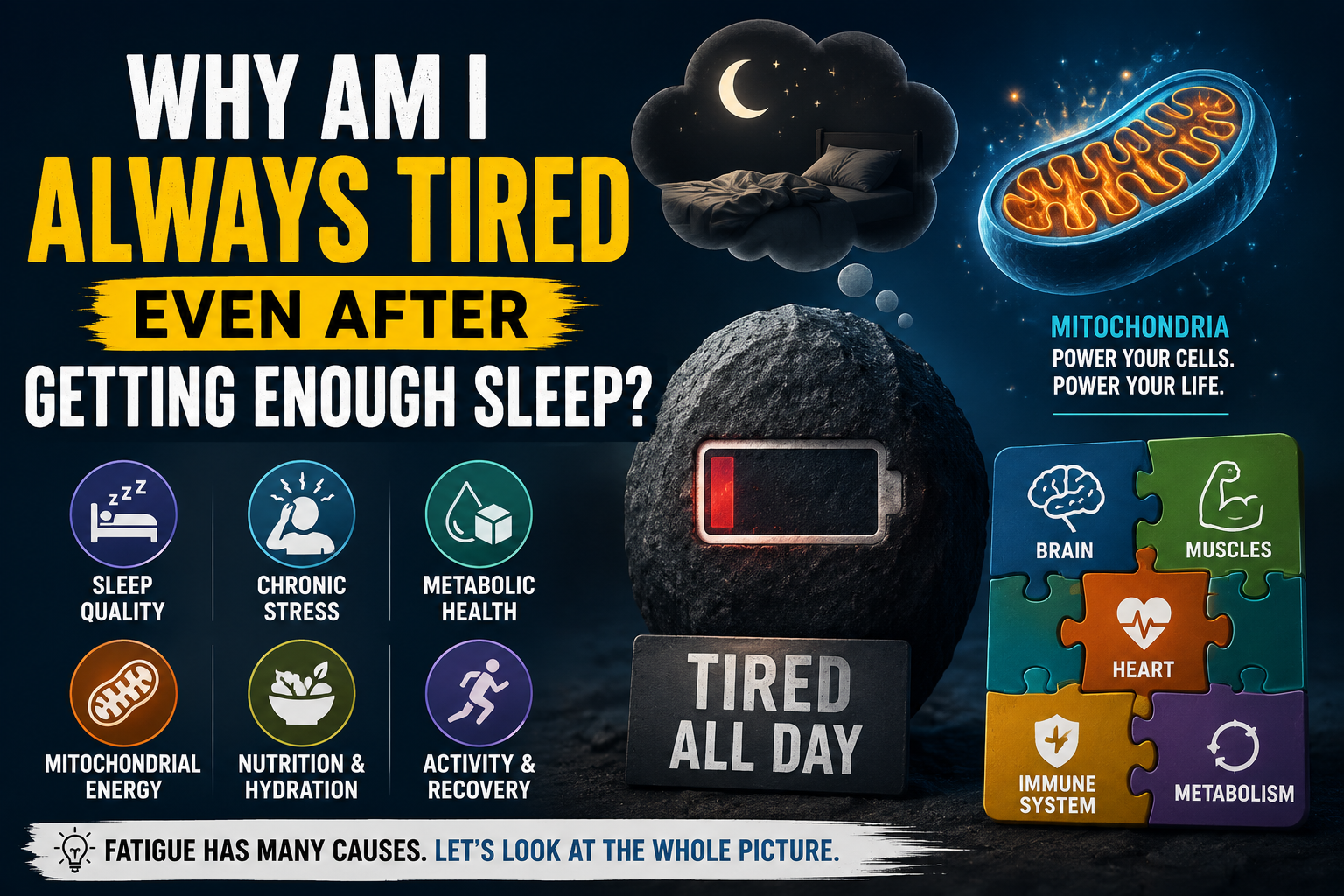
Feeling tired after a full night’s sleep can be frustrating. You may get seven or eight hours in bed but still wake up feeling drained, struggle to focus, or need caffeine to get through the day.
While sleep duration matters, it is only one part of the picture. Sleep quality, stress, nutrition, metabolic health, circadian rhythm, physical activity, and cellular energy production can all influence how energized you feel.
For some people, persistent fatigue may also warrant a closer look at how the body produces and uses energy at the cellular level.
Key Takeaways
- Getting enough hours of sleep does not always mean you are getting restorative sleep.
- Stress, poor sleep quality, nutrition, metabolic health, and lifestyle factors can contribute to persistent fatigue.
- Mitochondria play an important role in producing cellular energy.
- Persistent fatigue should not automatically be attributed to mitochondrial dysfunction.
- Looking at several health factors together can provide a more complete picture of low energy.
Why Am I Still Tired After Sleeping Enough?
The number of hours you sleep is important, but it does not tell the entire story. You can spend eight hours in bed and still experience disrupted or non-restorative sleep.
Sleep interruptions, inconsistent sleep timing, stress, alcohol, an uncomfortable sleep environment, or underlying sleep problems may affect how refreshed you feel the next morning.
Your body also uses sleep to support numerous processes involved in physical recovery, metabolism, immune function, and brain health.
1. Your Sleep Quality May Be Poor
You may be sleeping for enough hours but not getting consistent, restorative sleep.
Frequent awakenings, irregular sleep schedules, or conditions that interfere with breathing during sleep can leave you feeling tired during the day.
If you regularly wake up exhausted despite adequate sleep, it may be worth discussing your symptoms with a qualified healthcare professional.
2. Chronic Stress Can Affect Your Energy
Stress requires your body to continuously adapt. When stress becomes persistent, it can affect sleep, appetite, physical recovery, concentration, and energy levels.
This can create a cycle:
Stress → poorer sleep → reduced recovery → daytime fatigue → more reliance on caffeine → disrupted sleep
Addressing stress is therefore not simply about feeling calmer. It can be part of a broader strategy for supporting healthy energy and recovery.
3. Your Metabolic Health Matters
Your body needs to continuously convert nutrients into usable energy.
Blood glucose regulation, insulin sensitivity, physical activity, nutrition, and body composition all interact with energy metabolism.
When these systems are not working optimally, some people may experience energy fluctuations, cravings, or difficulty maintaining consistent energy throughout the day.
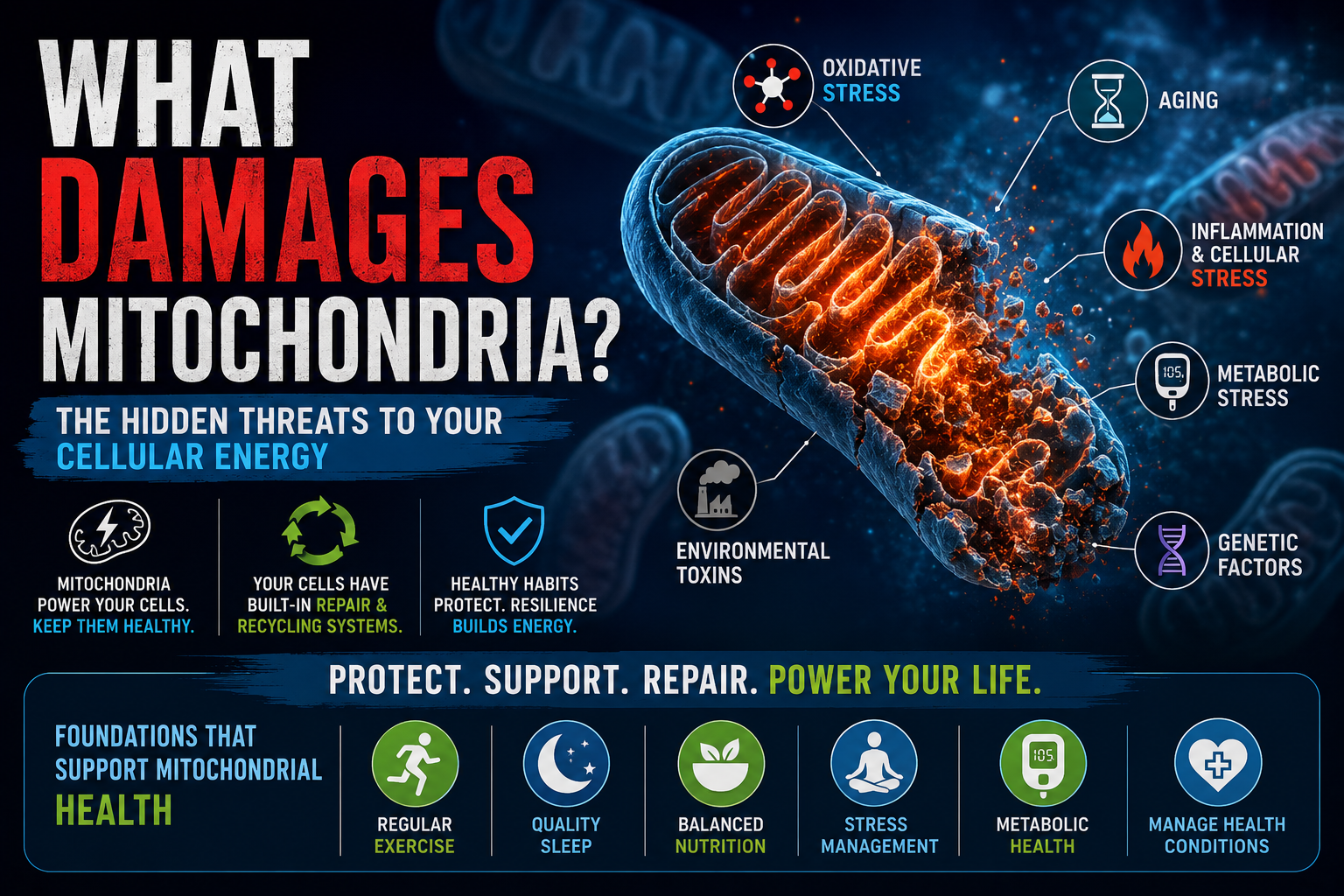
4. Mitochondria Help Produce Cellular Energy
Mitochondria are structures inside many of your cells that help produce ATP, the primary energy currency used by cells.
Because your brain, muscles, heart, and other tissues have substantial energy requirements, mitochondrial function is an important part of overall physiology.
However, feeling tired does not automatically mean you have mitochondrial dysfunction. Fatigue has many possible causes and should be evaluated in context.
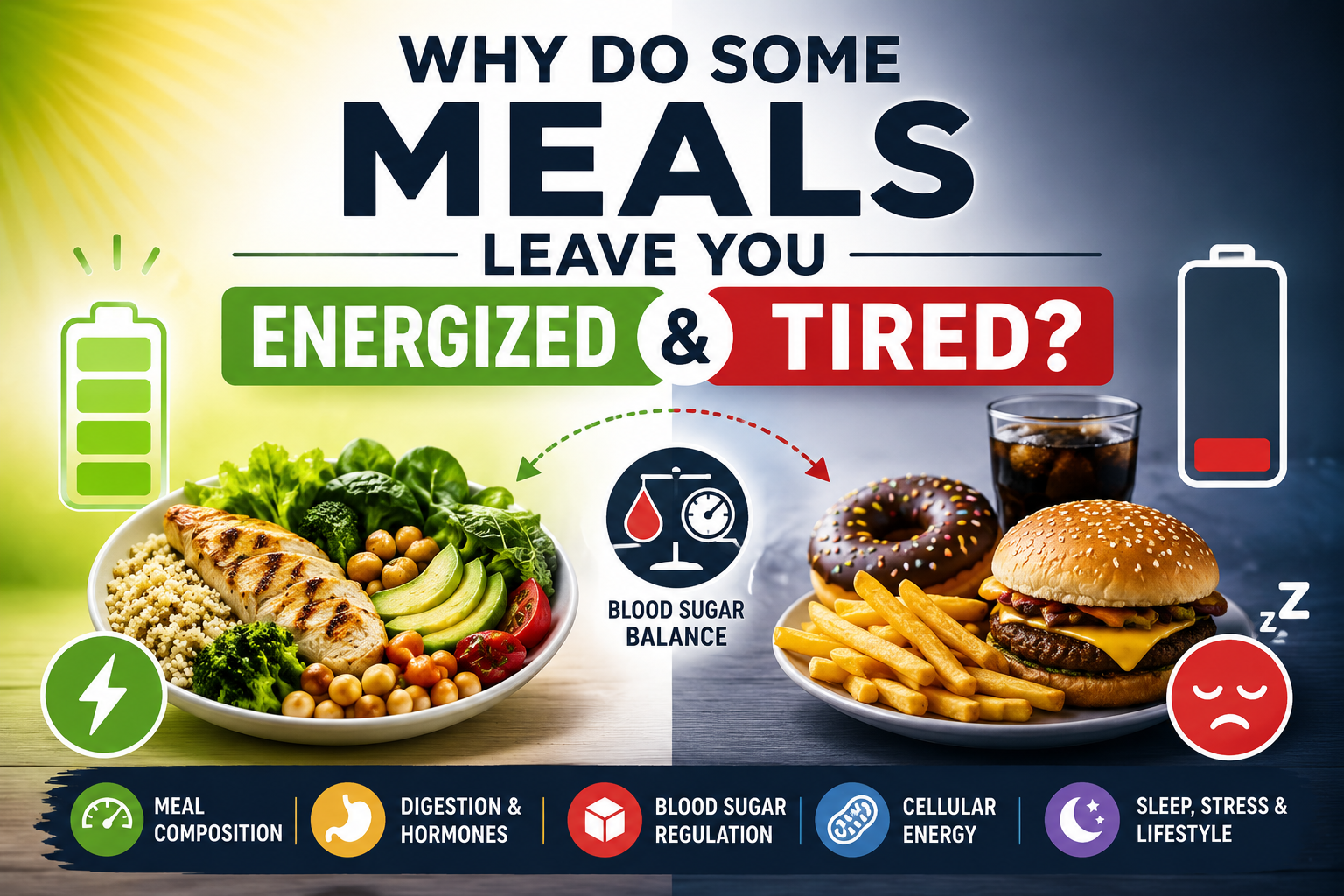
5. Your Nutrition May Not Support Consistent Energy
Your body needs adequate energy and nutrients to function properly.
A highly restrictive diet, inadequate protein or overall calorie intake, dehydration, or nutritional deficiencies can contribute to fatigue.
Rather than focusing on one “energy boosting” food, it is more useful to look at the overall quality and adequacy of your diet.
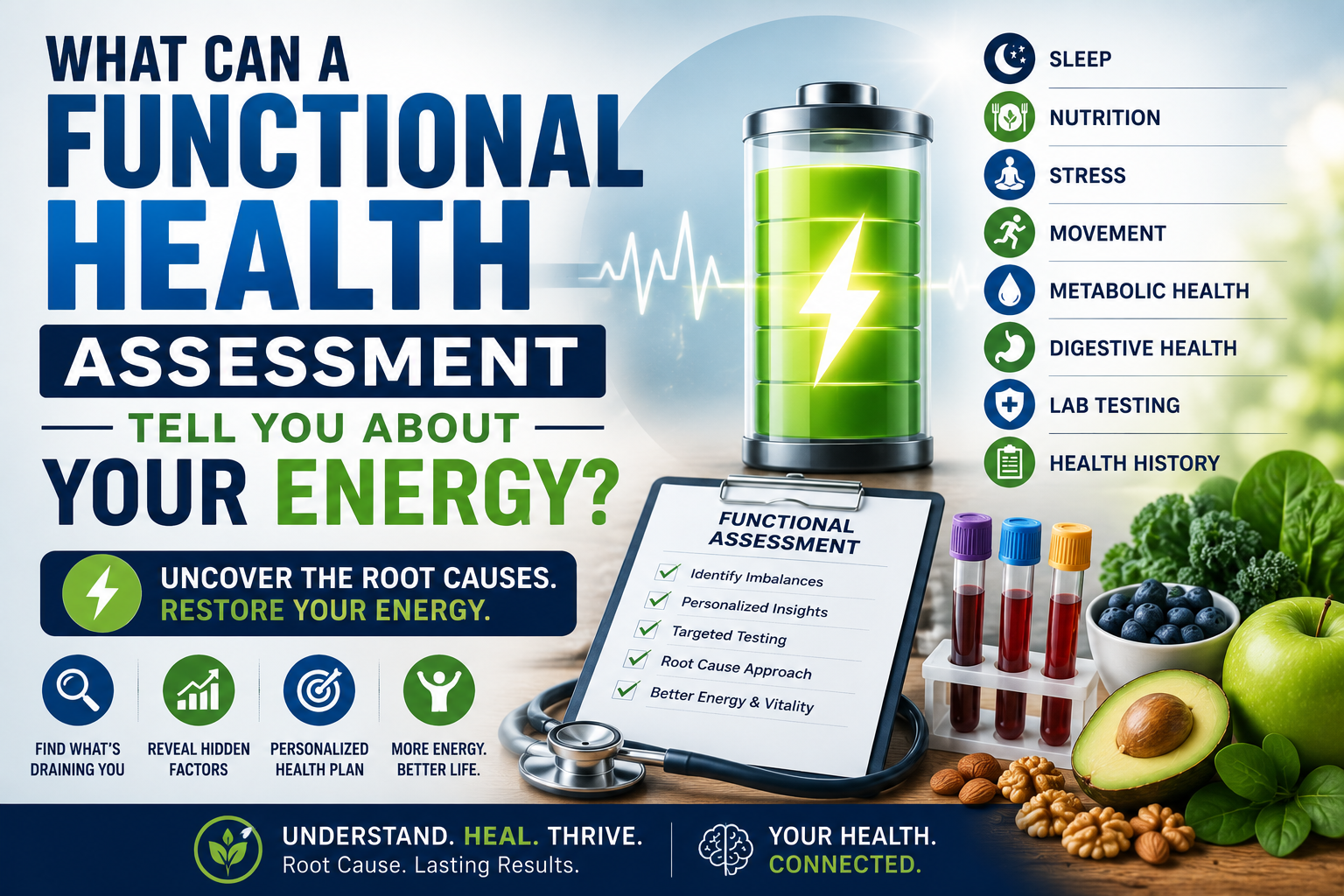
What Should You Do If You Are Always Tired?
Start by looking at the basics:
- Sleep duration and consistency
- Sleep quality
- Stress levels
- Nutrition
- Hydration
- Physical activity
- Recovery
- Metabolic health
- Medications and underlying health conditions
If fatigue continues despite healthy lifestyle habits, talk with a qualified healthcare professional about whether further evaluation is appropriate.
Final Thoughts
Persistent fatigue is not something you should automatically accept as normal.
Sleep is important, but energy depends on multiple connected systems. Understanding those systems can help you and your healthcare provider determine which areas may deserve closer attention.
At WildHeart Wellness, a functional approach looks at health through interconnected systems rather than focusing on one symptom in isolation.