

Fatigue is one of the most common health complaints, but finding its cause is not always straightforward.
You may sleep for eight hours and still wake up exhausted. You may have enough energy in the morning but crash every afternoon. Or you may feel mentally drained, physically weak, or unable to recover from normal activities.
So can functional testing help identify what is contributing to fatigue?
It can sometimes provide additional information, but testing should be guided by your symptoms, history, and clinical evaluation rather than used as a standalone search for one explanation.
Key Takeaways
- Fatigue has many possible causes.
- A detailed health history and clinical evaluation are important starting points.
- Conventional laboratory testing can help identify common medical contributors.
- Additional testing may sometimes be appropriate depending on the individual.
- Test results need to be interpreted within the context of symptoms and medical history.
Fatigue Is a Symptom, Not a Diagnosis
Fatigue can mean different things to different people.
Some people describe fatigue as physical exhaustion. Others experience mental fog, poor concentration, sleepiness, reduced motivation, or difficulty recovering after activity.
Potential contributors include:
- Poor sleep
- Anemia
- Thyroid problems
- Nutritional deficiencies
- Metabolic problems
- Medication effects
- Chronic stress
- Mood disorders
- Infections
- Other medical conditions
Because the possibilities are broad, testing should begin with a good clinical history and examination.
Clinical references note that laboratory testing can help evaluate potential causes of fatigue, but the appropriate tests depend on the individual presentation.
What Can Testing Look At?
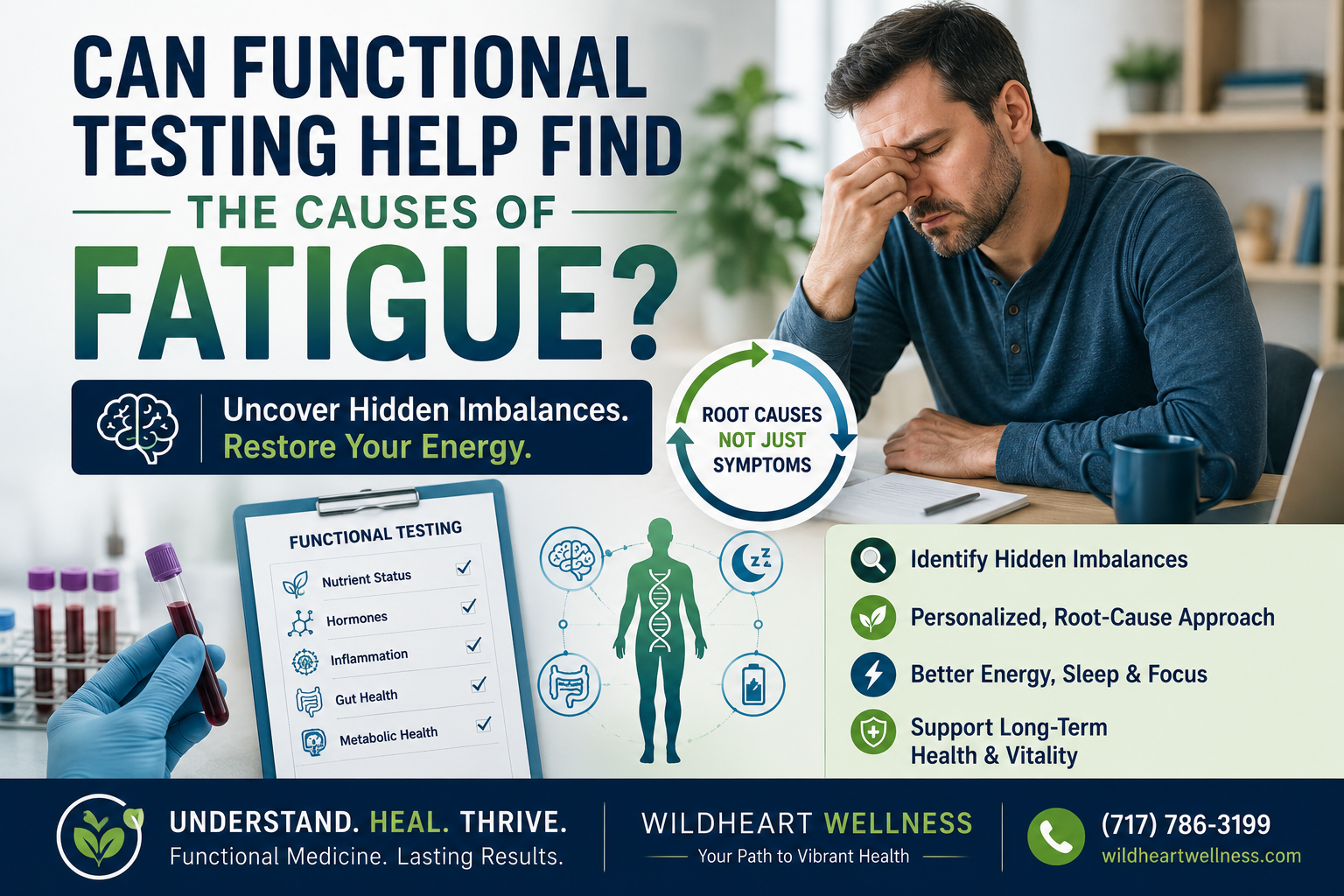
Depending on the symptoms and clinical context, healthcare professionals may consider tests related to areas such as:
Blood counts
These may help evaluate conditions such as anemia.
Thyroid function
Thyroid disorders can contribute to fatigue and changes in energy.
Glucose and metabolic markers
These can provide information about blood sugar and metabolic health.
Nutritional status
Certain nutrient deficiencies can contribute to fatigue.
Inflammation
In selected cases, inflammatory markers may provide additional information.
The important point is that more testing is not automatically better testing.
The value comes from choosing appropriate tests and interpreting the results correctly.
Where Functional Testing Fits
Functional health approaches often look at patterns across multiple systems.
Depending on the person’s symptoms and goals, an assessment may consider areas such as:
- Nutrition
- Sleep
- Stress
- Metabolic health
- Digestive health
- Lifestyle
- Exercise and recovery
- Family and health history
Additional laboratory or functional assessments may be considered when clinically appropriate.
The purpose should be to gather useful information that helps guide a thoughtful health plan, not to label every symptom as a hidden dysfunction.
What About Mitochondrial Health?
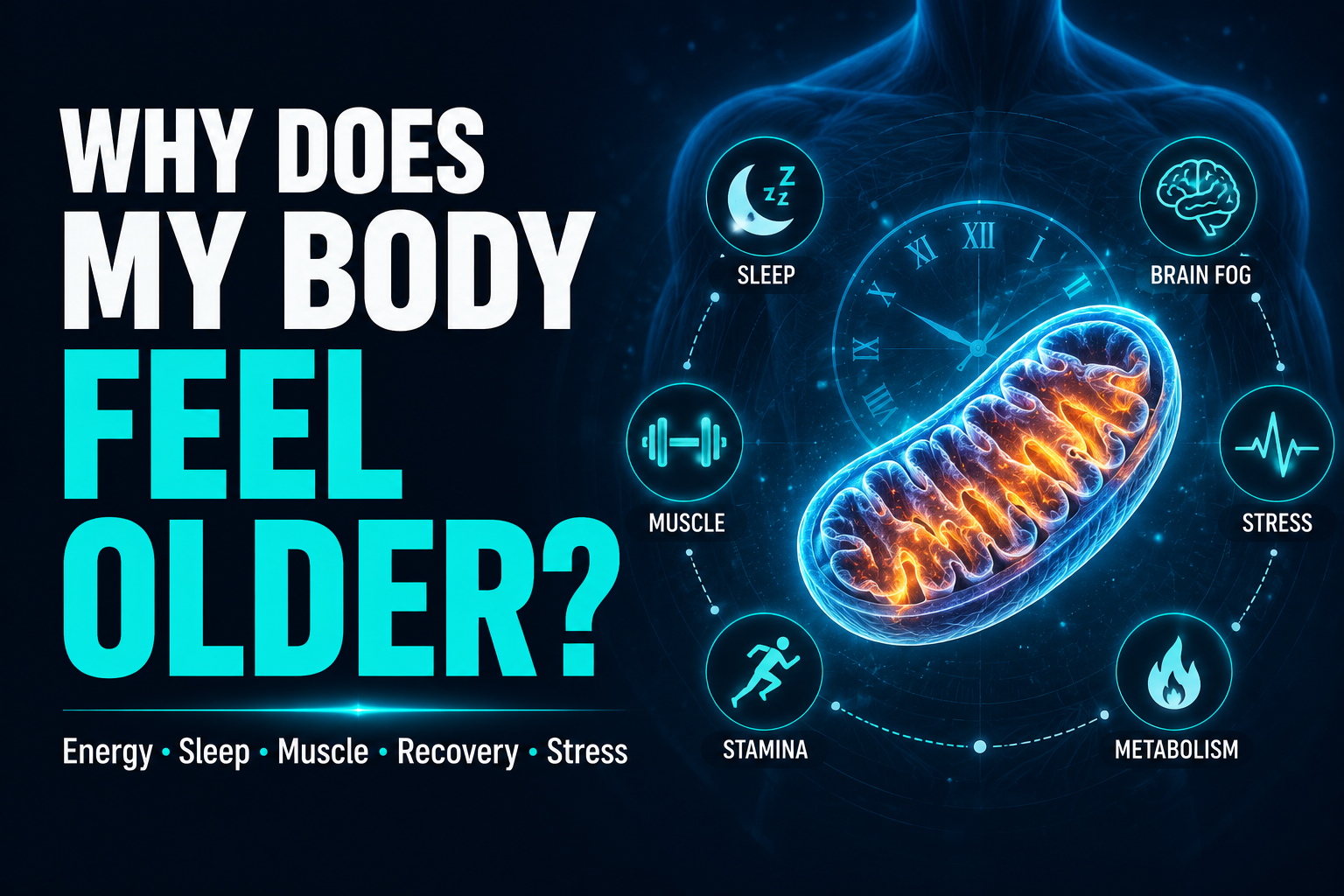
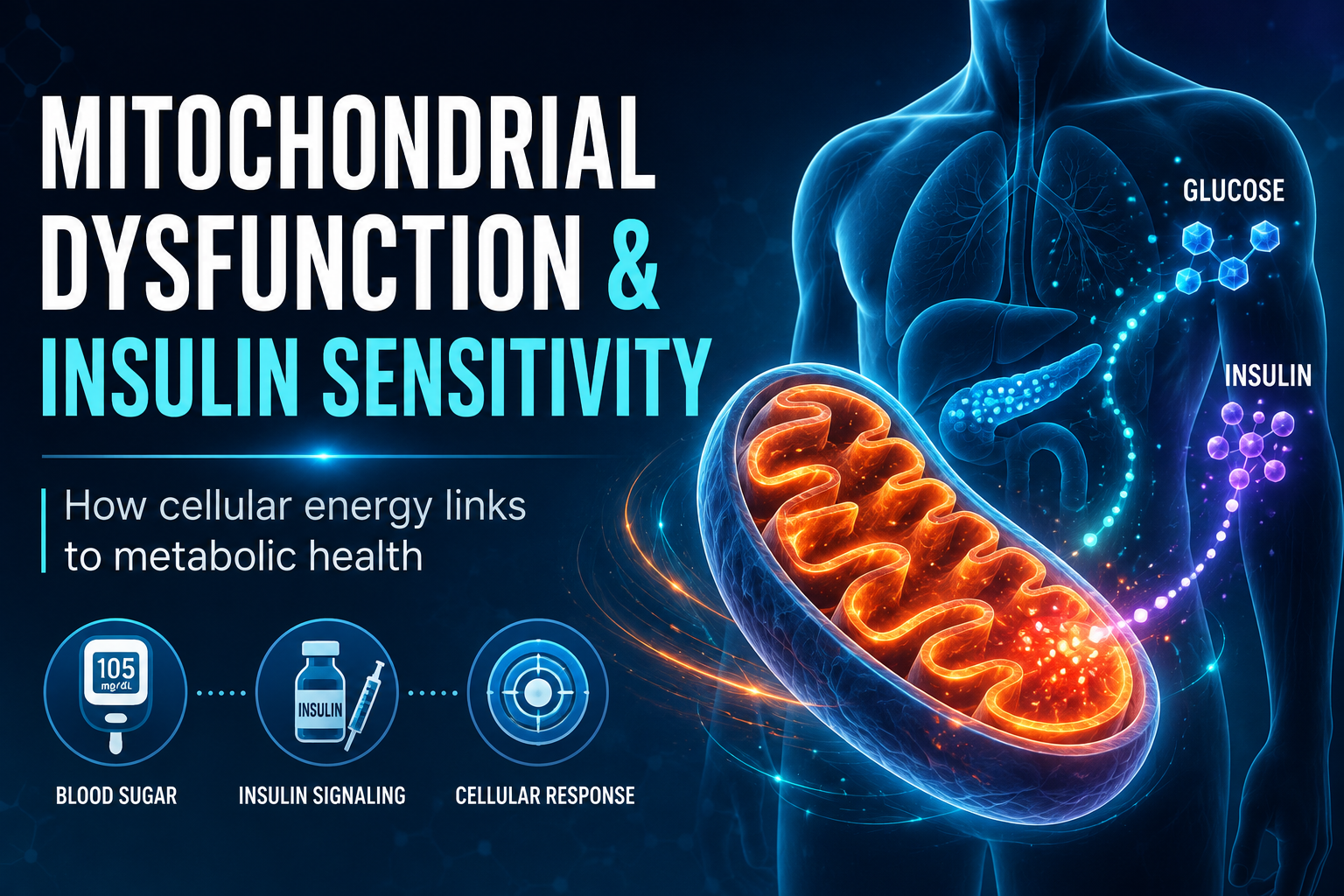
Mitochondria are responsible for producing much of the ATP that powers cellular processes.
Because energy production is fundamental to cellular function, mitochondrial biology is an important area of research in fatigue.
However, common fatigue should not automatically be attributed to mitochondrial dysfunction. Fatigue has many possible causes, and research linking mitochondrial changes with fatigue is still complex.
This distinction matters.
A good assessment should ask:
What could be contributing to this person’s fatigue?
rather than assuming there is one universal cause.
Why Your Symptoms Matter
Two people with “fatigue” may need completely different evaluations.
For one person, sleep deprivation may be the primary issue.
For another, thyroid dysfunction or anemia may need investigation.
For someone else, metabolic health, medication effects, stress, nutrition, or another condition may be relevant.
That is why symptoms, history, lifestyle, and appropriate testing need to be considered together.
When Should You Consider an Evaluation?
Consider speaking with a qualified healthcare professional if fatigue:
- Persists for weeks
- Is getting worse
- Interferes with work or daily activities
- Is accompanied by unexplained weight changes
- Occurs with significant sleep problems
- Comes with shortness of breath, weakness, pain, or other concerning symptoms
Urgent symptoms should receive prompt medical attention.
A More Complete View of Fatigue
Fatigue is rarely best understood by looking at one number on a laboratory report.
Your sleep, nutrition, stress, metabolic health, physical activity, medical history, and other factors can interact.
A functional health assessment can help organize these pieces and identify areas that may deserve further attention.
At WildHeart Wellness, the goal is to understand the individual rather than treat fatigue as a one-size-fits-all problem.
Frequently Asked Questions
Can functional testing diagnose the cause of fatigue?
Testing can provide useful information, but no single test can identify every possible cause of fatigue. Clinical evaluation remains important.
What blood tests are commonly used for fatigue?
Depending on the presentation, clinicians may consider blood counts, thyroid testing, glucose-related testing, metabolic markers, and other targeted tests.
Can normal blood tests rule out every cause of fatigue?
No. Normal results can be reassuring, but they do not automatically explain every symptom or rule out every possible contributor.
Is fatigue always related to mitochondria?
No. Mitochondria are involved in cellular energy production, but fatigue has many possible causes.
What should I do if my fatigue keeps coming back?
Track your symptoms and discuss the pattern with a qualified healthcare professional who can determine whether further evaluation is appropriate.